Moroccan food is one of the great pleasures of a trip, and knowing the essential dishes before you arrive turns a bewildering menu into a plan. The staples belong to a broader North African and Mediterranean culinary tradition, rendered in a distinctly Moroccan style, and a first-timer can eat superbly for very little by knowing what to seek out. Here are the dishes worth prioritising, what each one is, and how to order them well.
Tagine: the everyday centrepiece
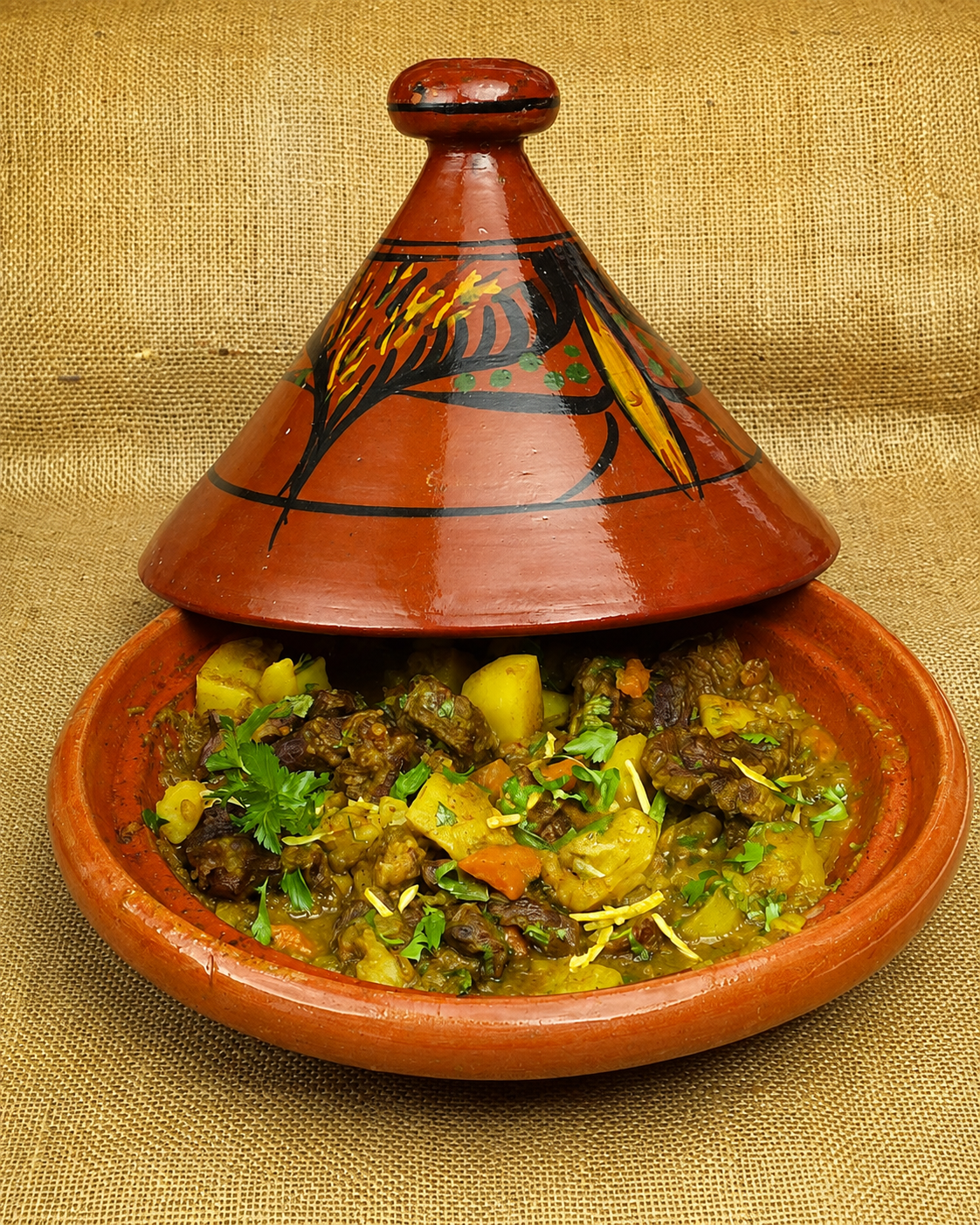
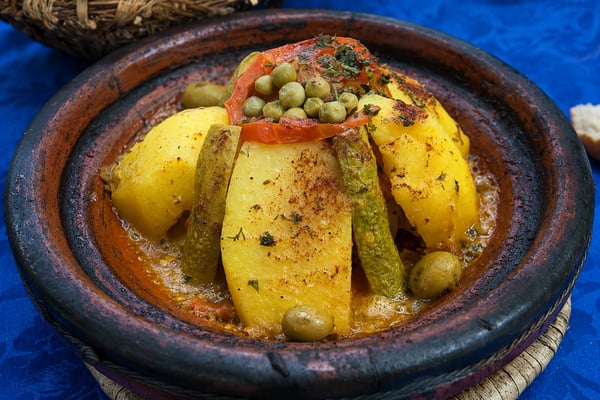
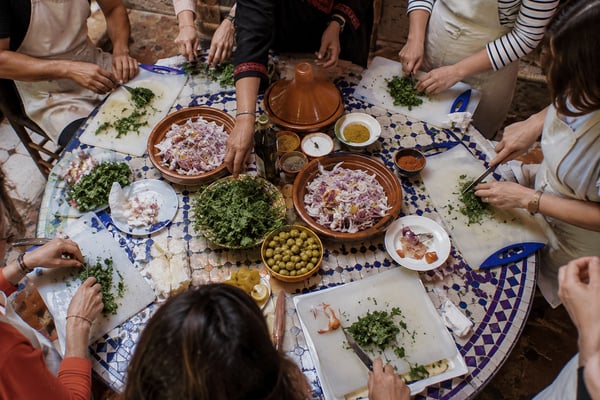
The tagine — a slow-cooked stew named for the conical earthenware pot it is made in — is the dish you will eat most, and its Moroccan versions are superb: chicken with preserved lemon and olives, lamb with prunes and almonds, or a vegetable tagine rich with spices. Every region and cook has their own, so it rewards repeat ordering. Served with bread to scoop rather than cutlery, it is comforting, cheap and endlessly varied.
Couscous: the Friday dish
Couscous — steamed semolina grains topped with vegetables and meat — is a North African staple traditionally eaten on Fridays, and a proper Moroccan couscous, mounded high with seven vegetables and tender meat, is a feast. Because the authentic version is a Friday ritual, that is the best day to seek it out, when homes and restaurants make it fresh. It is generous, sociable food, meant to be shared from a communal dish.
Pastilla and the savoury-sweet tradition
Pastilla is the showpiece: a flaky pie, traditionally of pigeon (now often chicken), dusted with cinnamon and sugar over a savoury spiced filling — the savoury-sweet combination that runs through the region's festive cooking. It is richer and more elaborate than everyday food, so it is worth ordering once at a good restaurant to understand this side of the cuisine. It captures a whole tradition of celebration food in a single dish.
Street food and snacks
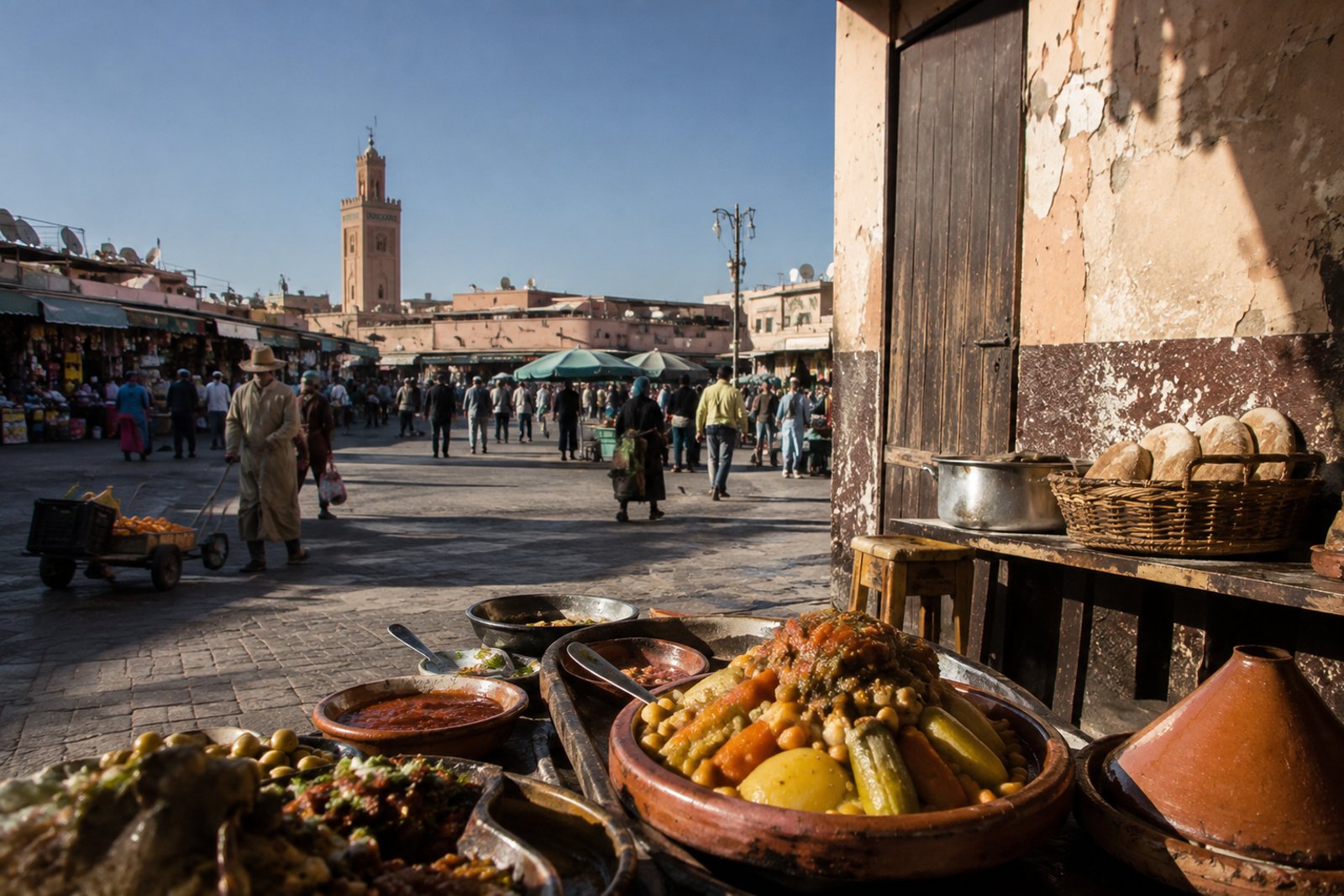
The street food is where the everyday flavour lives: grilled skewers (brochettes), bowls of spiced snails from a cart, fried sardines on the coast, sfenj (the North African fried dough rings) at breakfast, and fresh bread from neighbourhood ovens. Jemaa el-Fnaa in Marrakech turns this into a nightly food theatre. Eating where locals queue, and confirming prices at tourist-heavy stalls, gets you the best of it cheaply and safely.
Bread, salads and the supporting cast
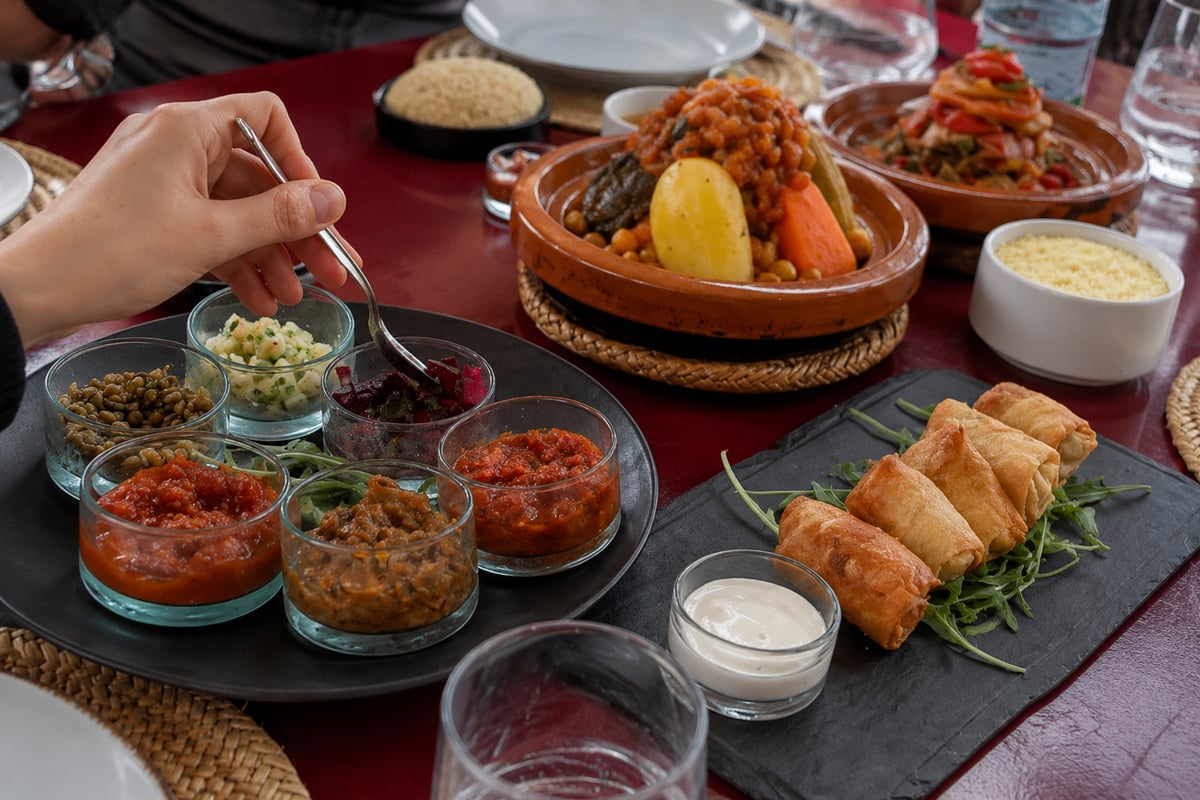
Every meal arrives with khobz, the round flatbread used as an edible utensil, and often a spread of cooked and raw Moroccan salads — zaalouk of smoky aubergine, taktouka of peppers and tomato, and others — that are a highlight in their own right. Harira, the hearty soup of tomatoes, lentils and chickpeas, is the traditional way to break the fast in Ramadan and a satisfying meal any time. These sides are half the pleasure of eating here.
Regional specialities worth chasing
Beyond the national staples, the regions reward a curious eater: the coast at Essaouira and along the Atlantic serves superb grilled fish and seafood straight off the boats; the south and the desert lean on hearty tagines and dates; and Fez is known for refined, elaborate cooking including its own take on pastilla. Ordering the local speciality wherever you are — asking what the region or town is known for — turns a week of meals into a tour of the country's genuine culinary variety.
Sweets and pastries
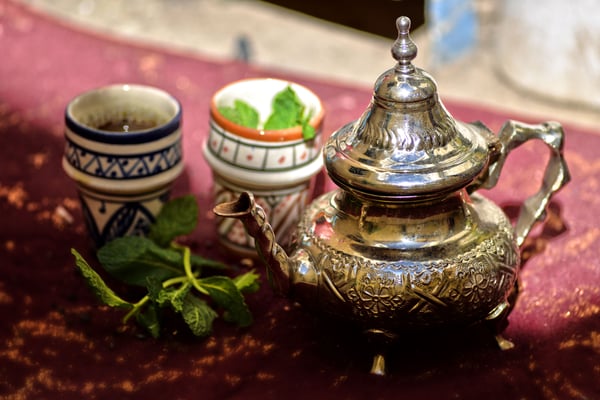
The sweet tradition deserves its own attention: honey-soaked pastries, almond-stuffed cookies, sesame and nut confections, and dates are served with tea and at celebrations, and they are part of a wider regional culture of festive sweets. A plate of assorted pastries with mint tea is the classic way to end a meal or fill an afternoon pause. They are intensely sweet by design, so a little goes a long way, but sampling them is part of eating your way through the country.
How to eat well as a first-timer
The strategy that works: eat tagine and salads freely at casual places, seek out couscous on a Friday, order pastilla once at a good restaurant, graze the street food where locals do, and finish with mint tea and pastries. Ask what is fresh and regional rather than ordering the same thing everywhere. Eat this way and Morocco is one of the world's great affordable food destinations, with genuine variety across its regions and cities.
Food is woven into the texture of the whole trip — the mint tea offered in every shop, the meals that punctuate the sightseeing — and how it fits the days and the budget is worked out in the complete Morocco trip guide.