Morocco is easier for vegetarians than expected and trickier for vegans than it looks. The dishes that work, the hidden meat stock, and the phrases to know.
Morocco is more accommodating to vegetarians than many travellers fear, thanks to a cuisine rich in vegetables, legumes and bread, but it holds a few traps — hidden meat stock, the assumption that chicken is not "meat" — and it is genuinely harder for strict vegans. Knowing which dishes work, what to ask, and the phrases that head off misunderstandings lets plant-based travellers eat very well. Here is how to navigate it.
Why it's easier than you'd think
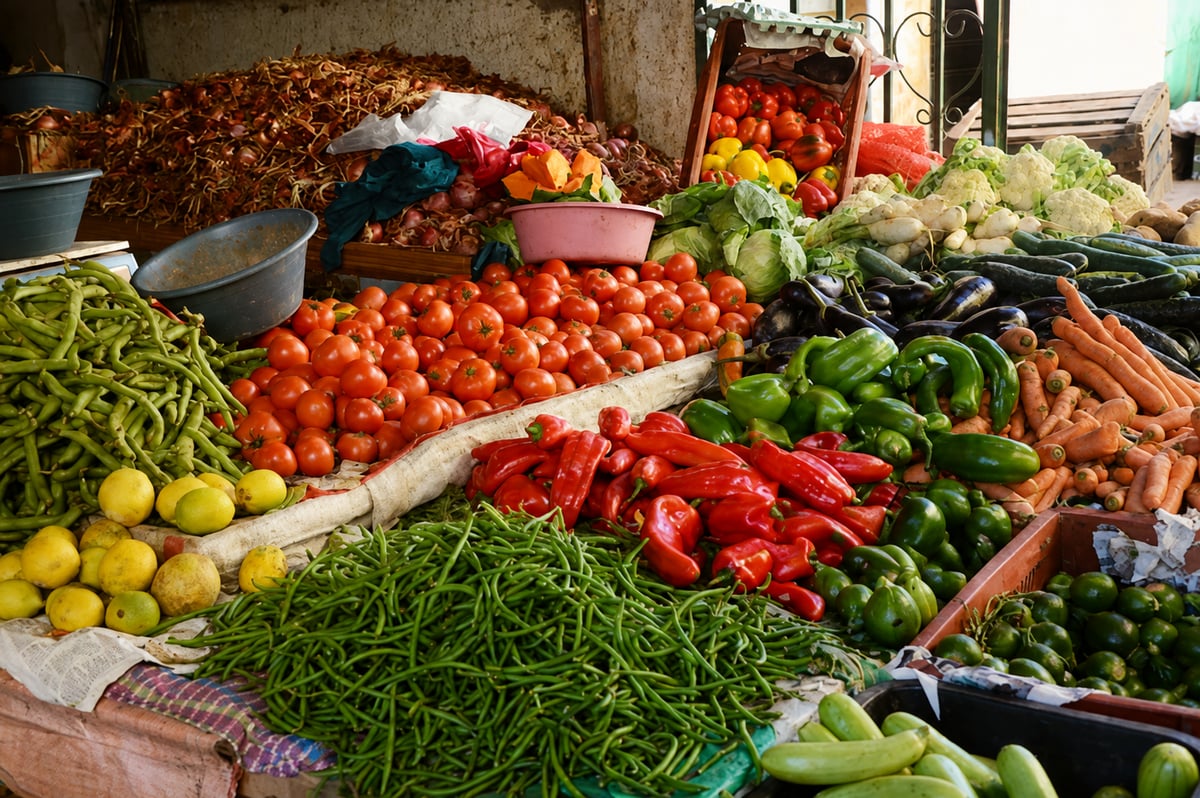
Moroccan cooking leans heavily on vegetables, pulses and grains, so much of the supporting table is already plant-based: the cooked and raw salads, bread, olives, and vegetable tagines are everywhere and excellent. A vegetarian can assemble satisfying meals from these without special requests in most places. The abundance of vegetable dishes means you are rarely stuck with a plain plate, which is the fate vegetarians often expect in a meat-forward country.
The dishes that work
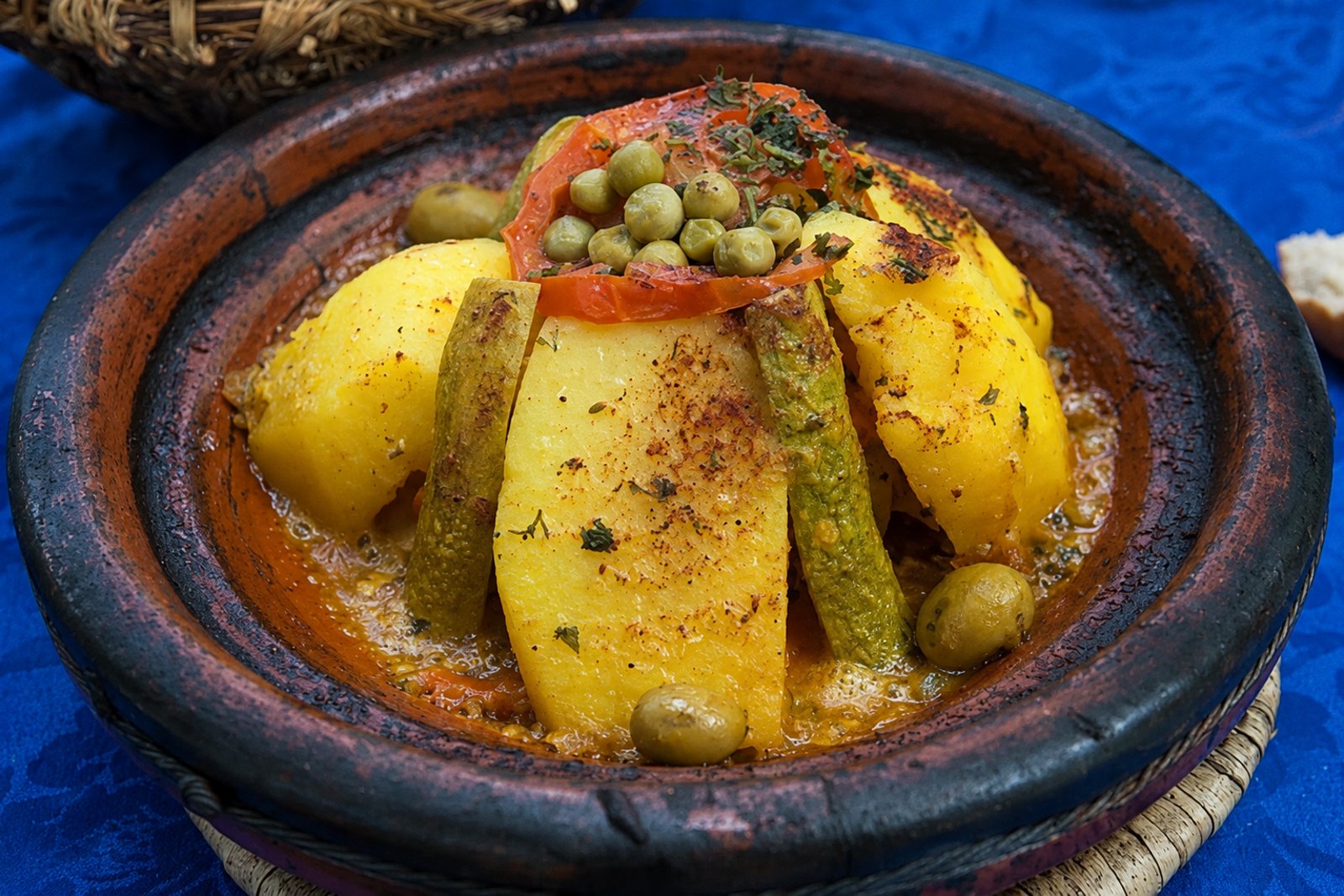
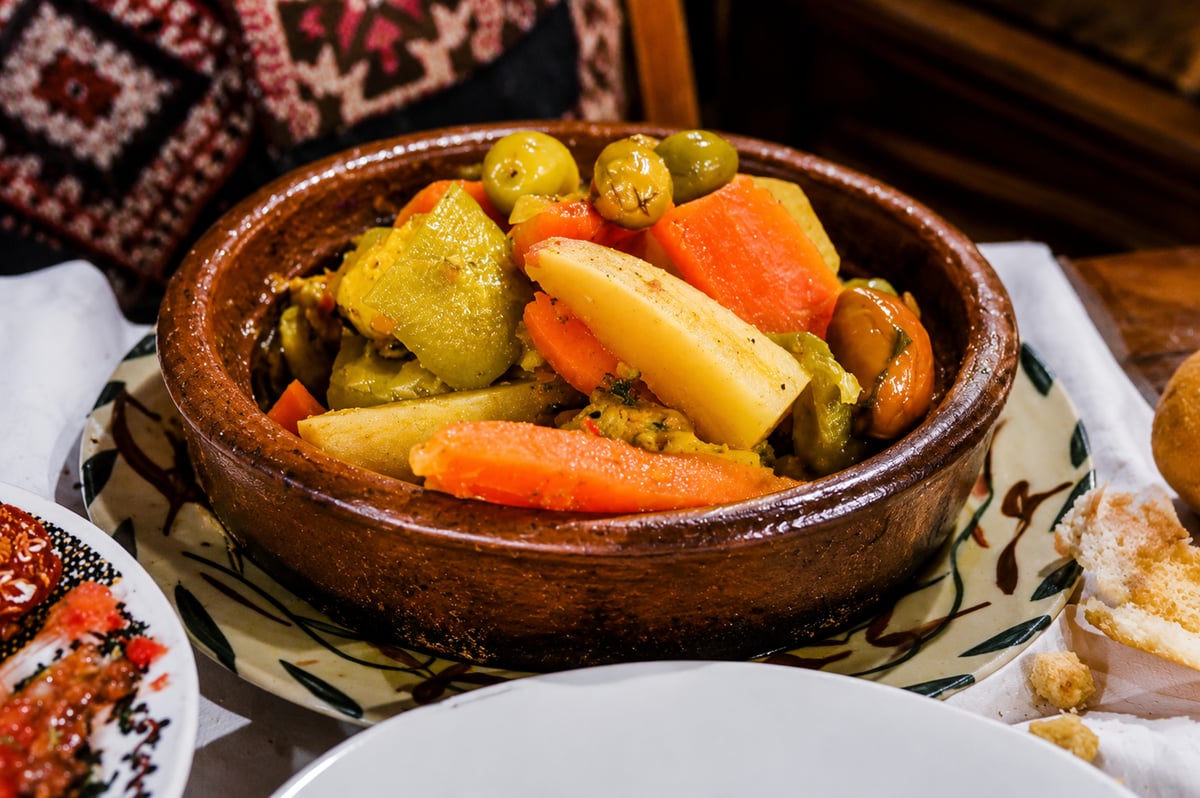
The reliable vegetarian options are the vegetable tagine, couscous with vegetables (confirm the broth), the array of salads, lentil and chickpea dishes, and bread with dips like zaalouk. Harira soup is often but not always vegetarian, since it can be made with or without meat stock, so it is worth checking. Between the tagines, the salads and the legume dishes, a vegetarian has real variety rather than a single fallback.
The hidden-stock trap
The main pitfall is stock: a "vegetable" couscous or soup may be built on a meat broth, since that is the default in many kitchens, so asking specifically whether the broth is meat-free matters. Similarly, be explicit that you eat no meat at all, because in some places chicken or even meat stock may not register as "meat" in the way you intend. Clear, specific questions prevent the well-meaning misunderstanding that puts stock in your "vegetarian" dish.
Vegan is harder
Strict veganism is more challenging, because bread may contain butter, tagines may use ghee or a meat base, and pastries are rich with butter and eggs, so the plant-based-by-default dishes need more careful checking. The salads, plain vegetable dishes, fruit, olives and bread (confirm no butter) remain safe staples. Vegans travel best by learning to ask precise questions and by anchoring meals on the clearly plant-based dishes rather than assuming a vegetable name guarantees vegan content.
The phrases and habits that help
Learning a few key phrases pays off: how to say you eat no meat, no chicken, and (for vegans) no butter or eggs, ideally in French or with a card in Arabic. Choosing restaurants that see enough travellers to understand dietary requests, and cooking classes or riads that cater to them, smooths the trip further. Stating your needs clearly and early, rather than mid-meal, is the single most effective habit for eating well without animal products here.
Where plant-based eating is easiest
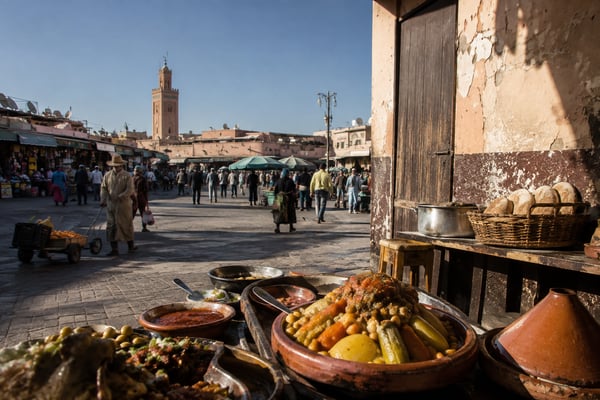
The tourist-facing restaurants of Marrakech, Fez and the other main cities increasingly understand vegetarian and vegan requests and often flag suitable dishes on the menu, so eating out in the cities is the easy part. It gets trickier in smaller towns, on the road, and at basic local eateries, where the concept may be less familiar and the safe options fewer. Planning your more careful meals around the cities, and carrying snacks for the gaps, smooths the rural and travel days.
Cooking classes and riads help
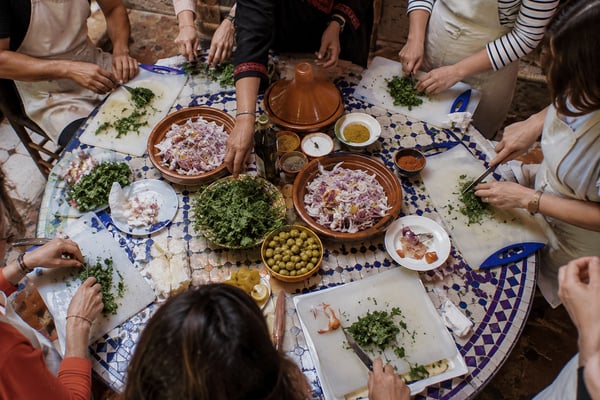
Booking a cooking class that caters to your diet, or a riad that does, is a reliable way to eat well and learn the plant-based side of the cuisine at the same time, since Moroccan cooking has so many naturally vegetable-forward dishes to teach. Mentioning your requirements when you book lets them plan the market trip and menu around them. It is one of the more enjoyable ways to guarantee a few excellent meals that fit your needs.
Eating well, plainly
The bottom line: vegetarians can eat abundantly and easily with a little checking on stock, while vegans should plan more, ask precisely, and lean on the naturally plant-based dishes. Neither needs to go hungry — Moroccan cuisine's vegetable wealth is genuinely on your side — but both benefit from clear communication. Do that, and the country's food is a pleasure rather than a puzzle, whatever you do or do not eat.
Dietary needs are one thread in how you eat across the trip, alongside the markets, the street food and the cooking classes, and how food fits the days is worked out in the complete Morocco trip guide.