Morocco is a Muslim country where alcohol is legal but not everywhere. Where to find a drink, where not to expect one, and how to be discreet about it.
Alcohol in Morocco is legal but not universal, and knowing where you can and cannot expect a drink saves both awkwardness and false assumptions. This is a Muslim country where most locals do not drink, yet licensed hotels, tourist restaurants and certain shops serve alcohol perfectly openly. The rule is less about legality than about setting and discretion. Here is where a drink is easy, where it is not, and how to handle it respectfully.
Where you can drink
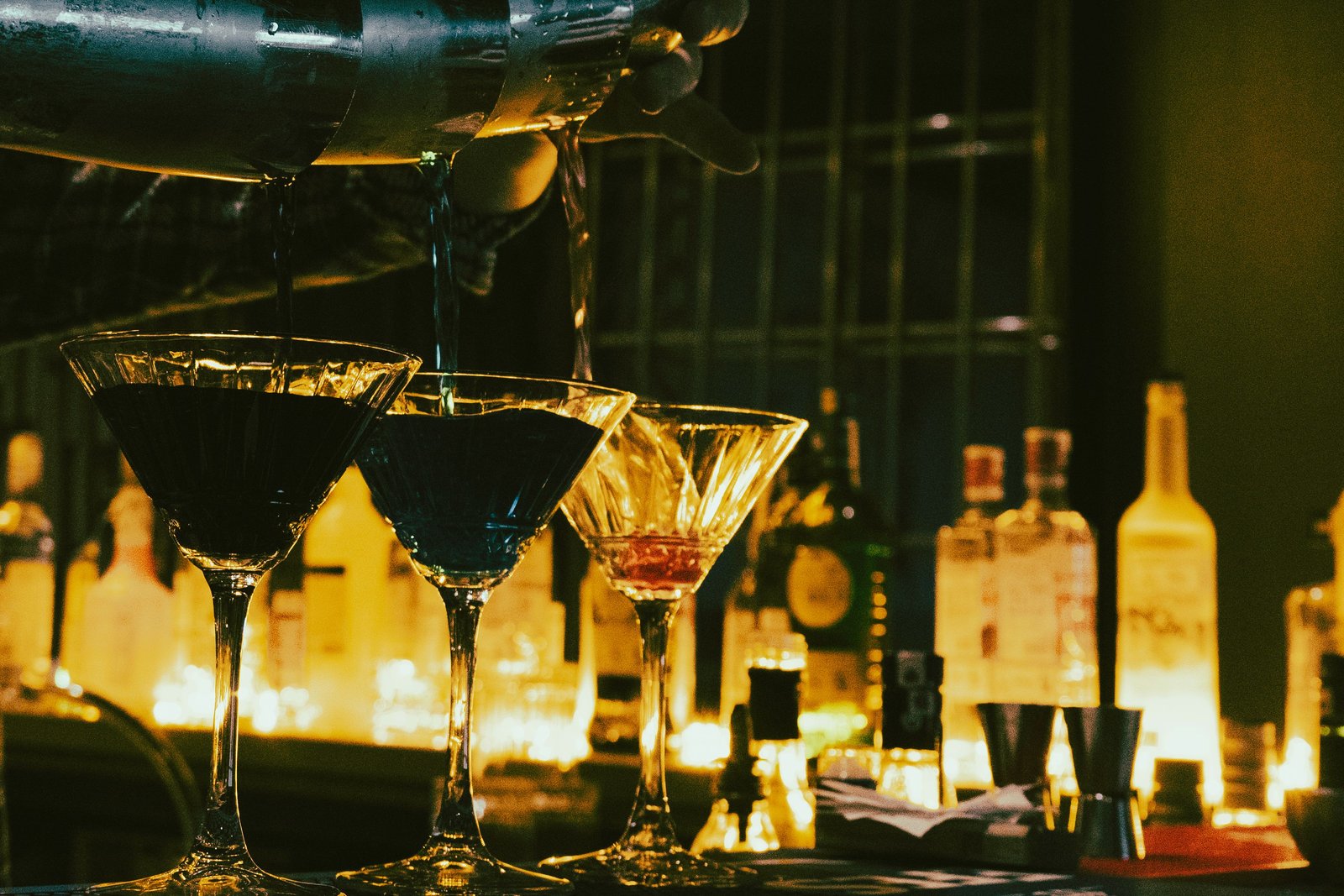
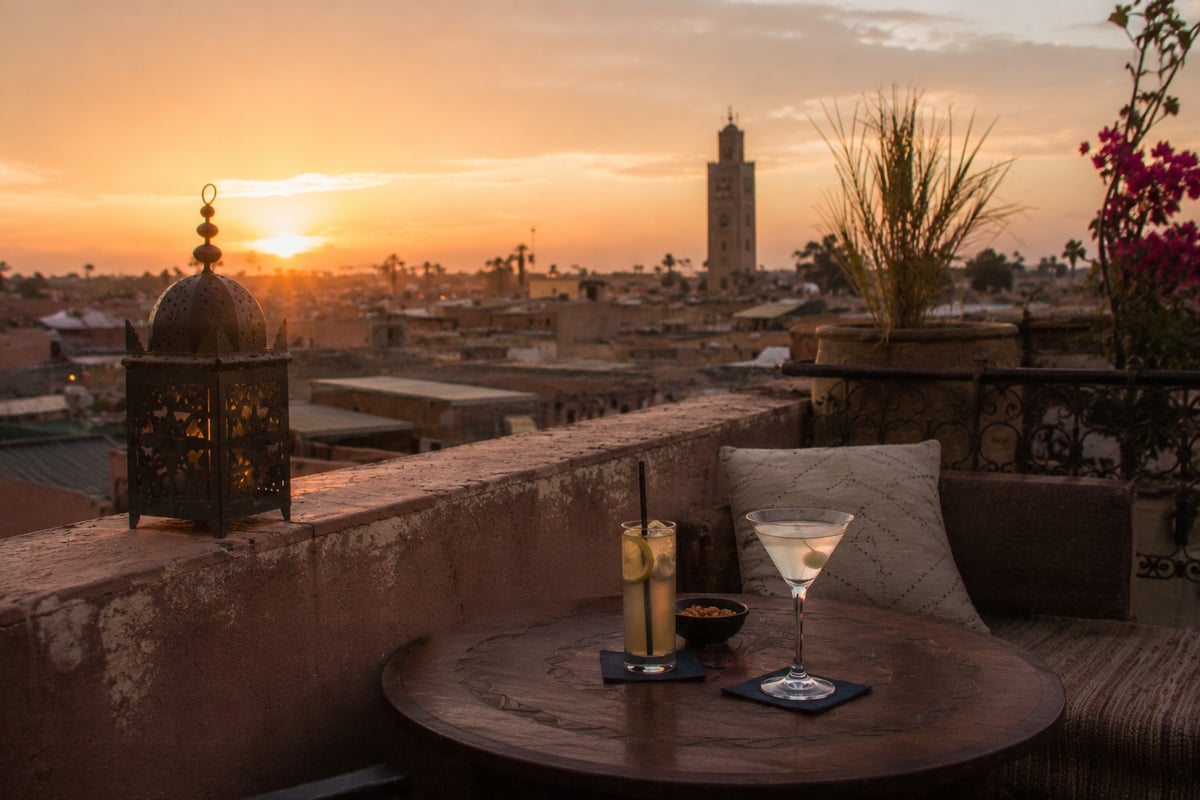
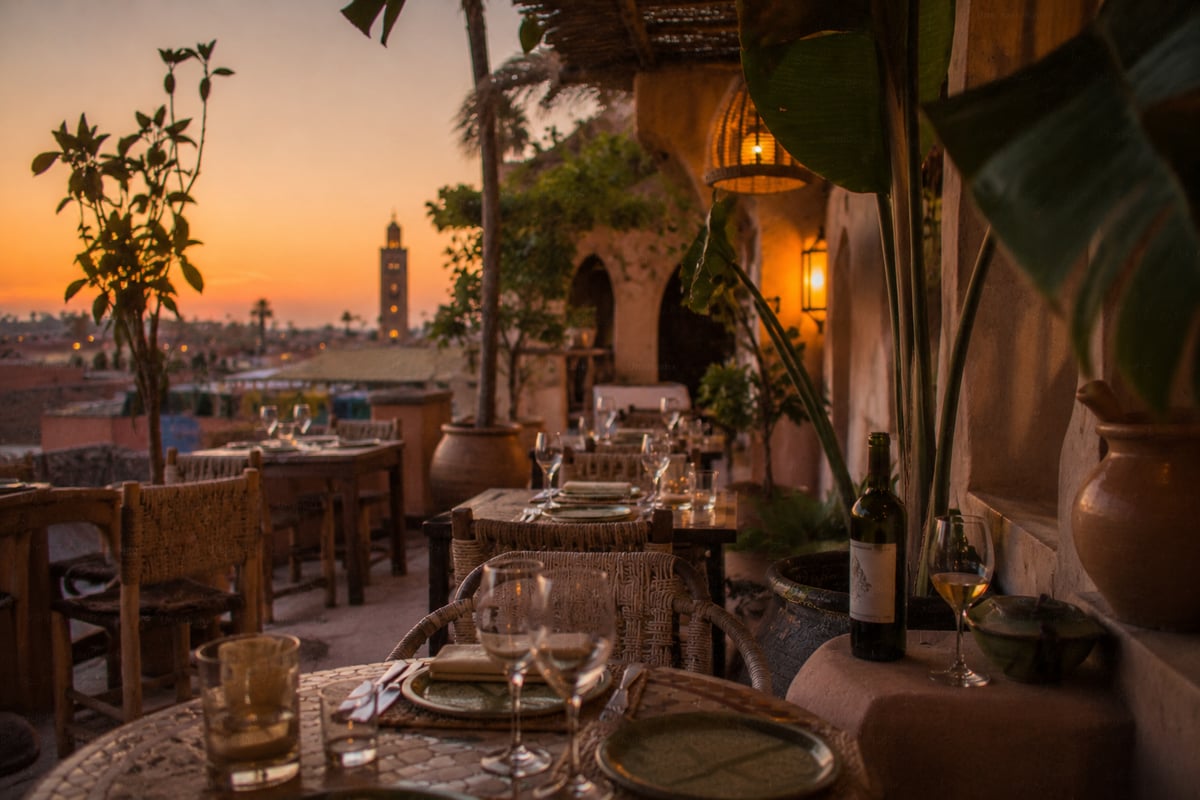
Alcohol is readily available in licensed hotels, upscale and tourist-oriented restaurants, rooftop bars in the cities, and dedicated bars in tourist areas, where wine, beer and spirits are served without fuss. Morocco even produces its own decent wines and a local beer, which you will find on these menus. For a traveller who wants a glass of wine with dinner or a drink on a terrace, the cities make it straightforward.
Where not to expect it
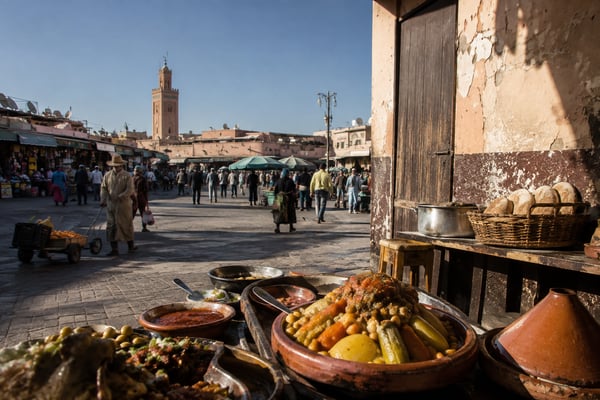
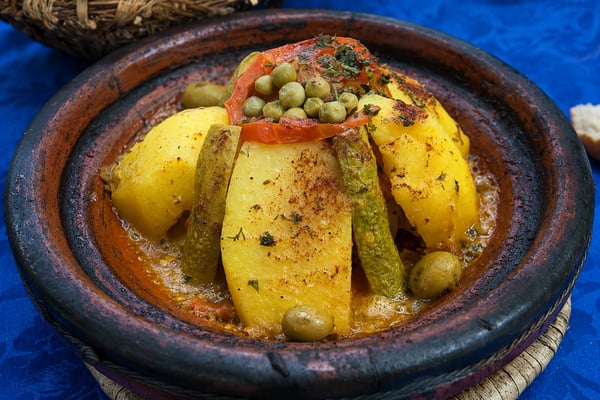
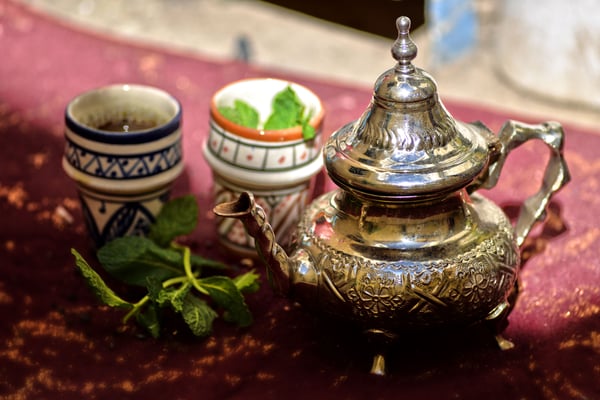
Alcohol is simply absent from most everyday Moroccan life, and that is worth setting expectations around rather than discovering mid-trip. Do not expect it in traditional local restaurants, in the medina's ordinary cafes and eateries, or in more conservative and rural areas, where it is simply not served and asking can be awkward. Most everyday Moroccan dining is alcohol-free, and mint tea or fresh juice is the accompaniment to a meal. This is not a prohibition so much as a cultural default, and matching it where it applies is the courteous move.
Buying alcohol to take away
Beyond bars and restaurants, buying alcohol to drink privately is a common approach for travellers who want a quiet glass without going out. For drinking in your riad or hotel, some supermarkets — notably larger chains like Carrefour and Marjane — have a dedicated alcohol section, and there are specialist liquor shops in the cities. Availability tightens during Ramadan, when sales to Muslims are restricted and some shops limit hours. Buy discreetly, carry it wrapped, and drink it in private rather than in public spaces.
Moroccan wine and beer, briefly
Morocco has a small domestic wine industry centred on the regions around Meknes and Benslimane, producing reds, whites and rosés that appear on hotel and restaurant lists and are perfectly pleasant, and a couple of local lagers fill the beer role. Choosing a Moroccan wine with dinner is both cheaper than an import and a small way into the country's own production. Ask the waiter for the local option and you will usually be pointed to something decent.
Discretion is the whole etiquette
The single guiding principle is discretion: drinking is fine in the settings meant for it and inappropriate in public streets, near mosques, or conspicuously anywhere during Ramadan daylight. Do not carry an open drink through the medina or offer alcohol to locals who may not drink. Keeping it to bars, restaurants and your own accommodation covers every situation and shows the respect the setting asks for.
Drinking in your riad
Many travellers find the easiest approach is a drink in their riad or hotel rather than seeking out bars, buying a bottle discreetly from a supermarket alcohol section and enjoying it on the terrace. Check first that your riad permits it, since some traditional houses prefer guests not to, and keep it low-key regardless. This sidesteps the question of which restaurants serve and keeps everything comfortably private.
During Ramadan
Ramadan tightens everything: alcohol sales to Muslims are restricted, some bars and shops reduce service, and public drinking is especially inappropriate during the fasting month. Licensed tourist hotels generally continue to serve their guests discreetly, so a drink is still available if you want one, but the respectful approach is to keep it low-key and private. As with food, the courtesy is simply not to be conspicuous.
Where alcohol fits — the licensed hotel, the tourist restaurant, the private terrace, never the public street — is one more reading of setting and discretion that runs through a Moroccan trip. Our etiquette guide covers the wider customs, and the food guide covers what to drink instead when alcohol isn't the thing.
Alcohol in Morocco: FAQ
Is alcohol legal in Morocco?
Yes, but not universal. Licensed hotels, tourist restaurants and bars serve it openly; most local eateries and rural areas do not.
Where can I buy it to take away?
Larger supermarkets like Carrefour and Marjane have alcohol sections, plus specialist shops. Buy discreetly and drink in private.
Does Morocco make its own wine?
Yes — decent local wines and a domestic beer, both found on hotel and tourist-restaurant menus.
What about during Ramadan?
Sales to Muslims are restricted and public drinking is especially inappropriate. Licensed tourist hotels still serve guests discreetly.
What's the main rule?
Discretion. Drink in the settings meant for it — bars, restaurants, your accommodation — never in public streets or near mosques.