Shopping is one of the real pleasures of a Morocco trip, and doing it well means knowing what each craft is worth before the opening price tries to tell you. From rugs to spices, the souk runs on negotiation, so the useful knowledge is less a fixed price list — there isn't one — than a sense of what you are buying, where the number starts, and how to get it home. Here is the practical rundown.
The things worth buying
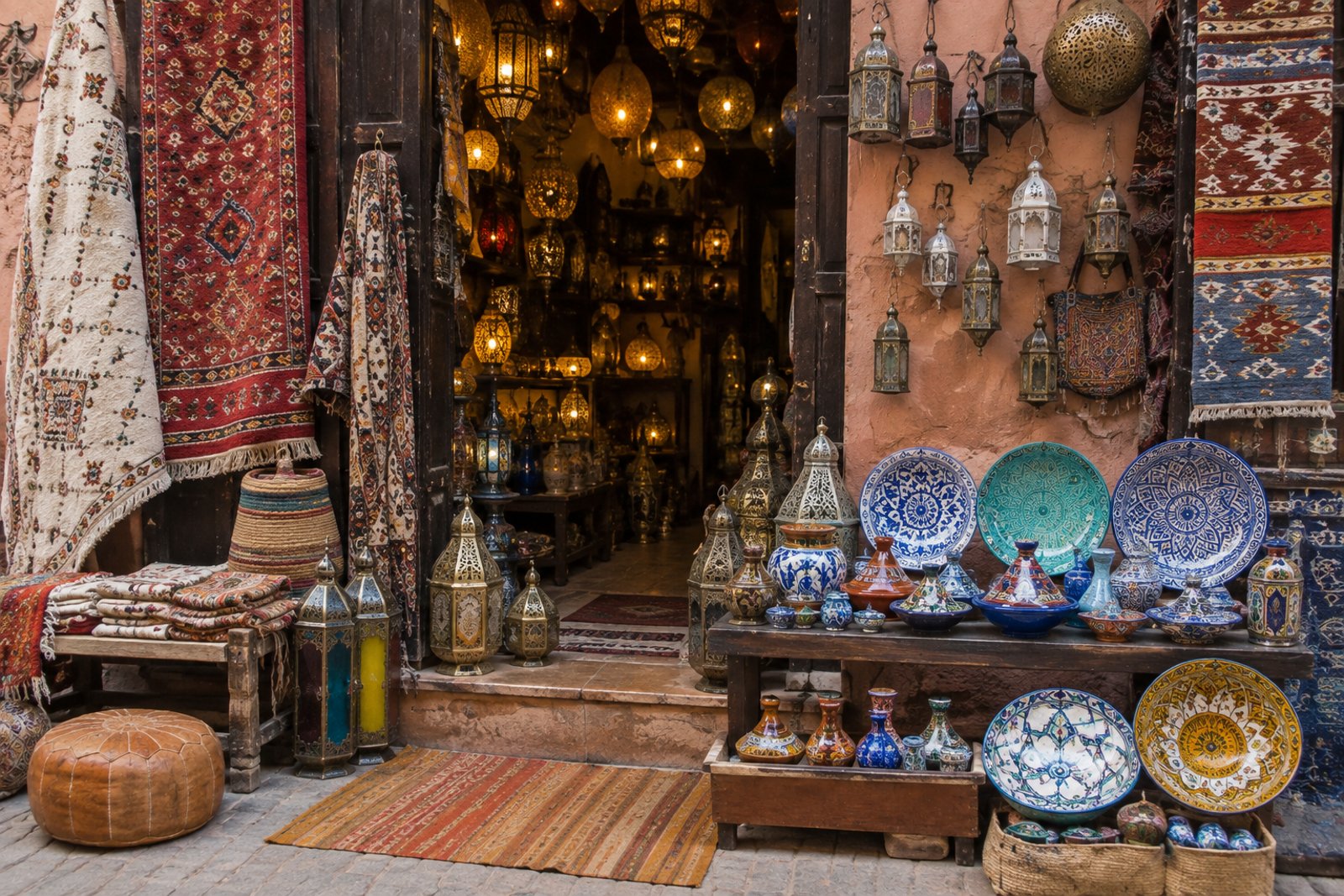
Morocco's standout buys are rugs and kilims, leather goods, metal and bone lamps, ceramics and tagines, argan oil, spices, and babouche slippers, each a genuine craft rather than a tourist trinket. The pleasure is in choosing something made well and carrying home an object with a story. Quality varies enormously within every category, so what you pay should track what you are actually getting, not the drama of the sale.
Rugs and leather: the big-ticket items
Rugs are the classic major purchase and the one where quality and price swing widest — hand-knotted wool with natural dyes sits far above machine-made blends, and the opening price is always a large multiple of the real one. Leather from the Fez tanneries is the other headline buy. For both, treat the first number as theatre, bargain calmly, and only start on something you would genuinely buy.
Argan oil, spices and edibles
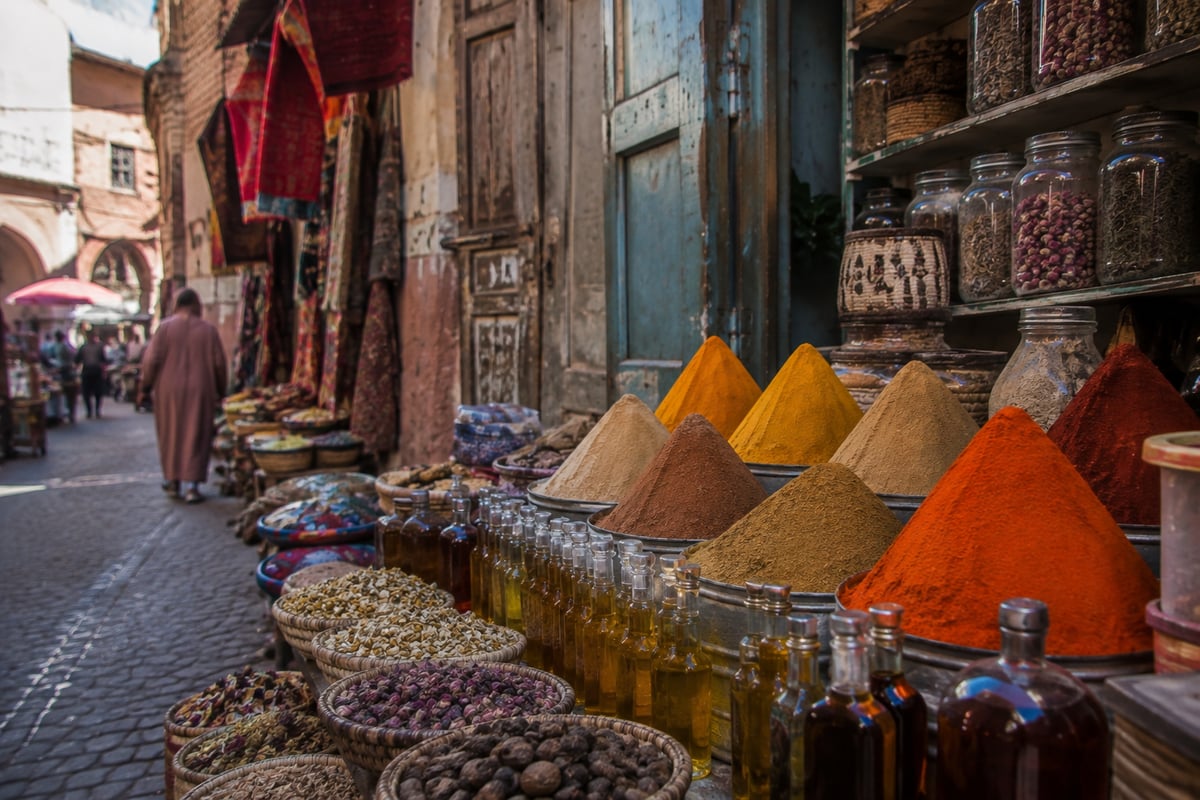
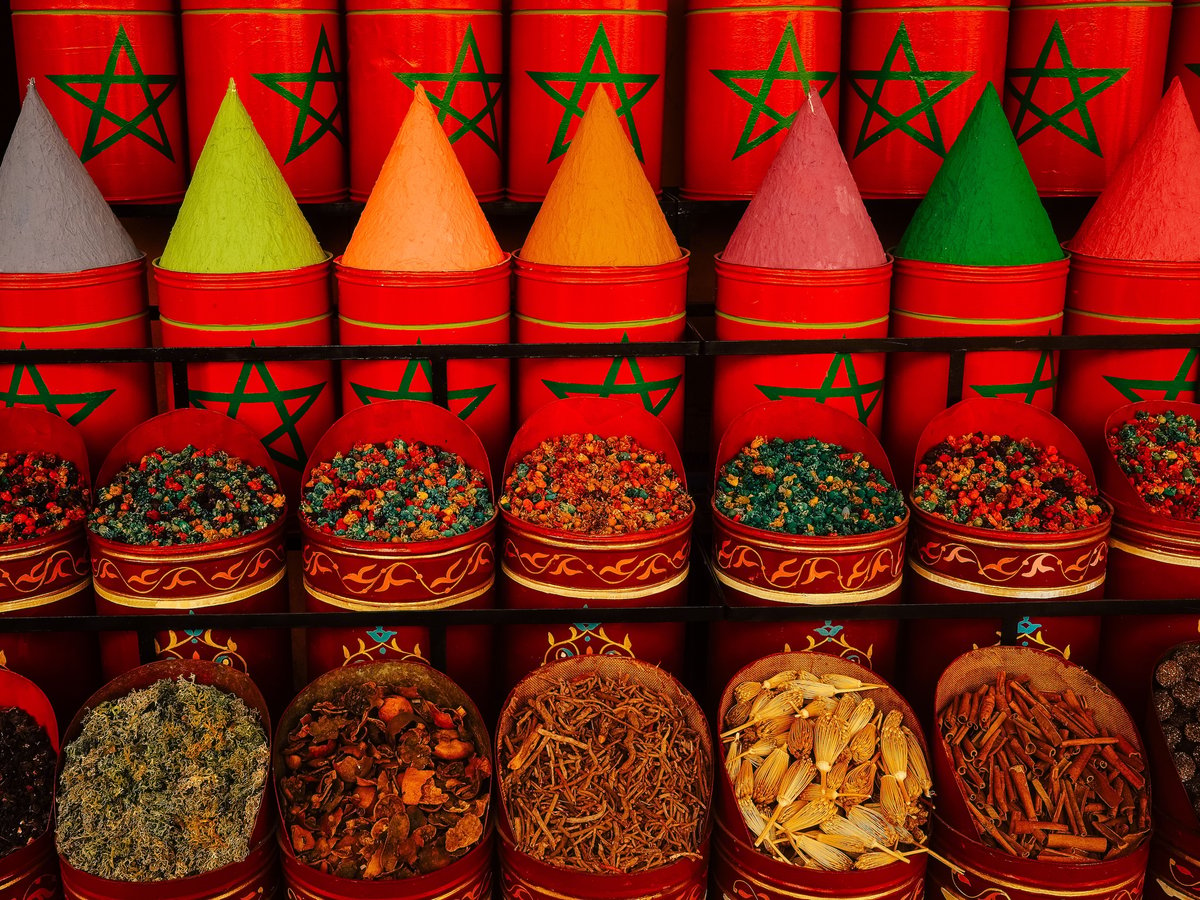
Argan oil is a Moroccan speciality, sold in cosmetic and culinary grades, and a women's cooperative is the place to buy it both for quality and for where the money goes. Spices are gorgeous and cheap, but buy whole where you can and be wary of pre-mixed "ras el hanout" of unknown freshness. These smaller buys rarely need hard bargaining, and the gap between the tourist and fair price is usually small enough not to fight over.
Where the price is fixed
Not all Moroccan shopping is a negotiation: government-run artisan cooperatives such as the Ensemble Artisanal sell quality crafts at fixed, fair prices, and they are invaluable for benchmarking what things should cost before you brave the souk. Modern shops and supermarkets are fixed-price too. Starting at a cooperative to calibrate, then negotiating in the souk with that number in mind, is the shopper's winning sequence.
Bargaining, briefly
The souk expects negotiation, and the shape is familiar: the vendor opens high, you counter well below, and you meet in a middle you are both content with, kept warm and unhurried throughout. Only begin on something you mean to buy, and let the browsing you did elsewhere set your target. The souk price sheet explains the opening-price economy in depth.
Where the money goes
Some purchases do more good than others, and it is worth knowing which. Buying argan oil from a women's cooperative, crafts from a government artisan cooperative, or directly from the maker keeps more of your money with the people who made the thing. It also tends to mean fixed, fair prices and reliable quality. When the choice exists between a middleman's stall and the source, the source is usually both the better buy and the better outcome.
Spotting real craft from tourist filler
Every souk mixes genuine handwork with cheap imported filler sold at craft prices, and telling them apart takes a little attention: look for irregularities that signal handmade, ask what something is made of, and be wary of identical "handmade" items stacked in bulk. A cooperative visit early in the trip trains your eye for the rest of it. Paying a fair price for real craft is the goal; paying a craft price for a factory import is the thing to avoid.
Getting it home
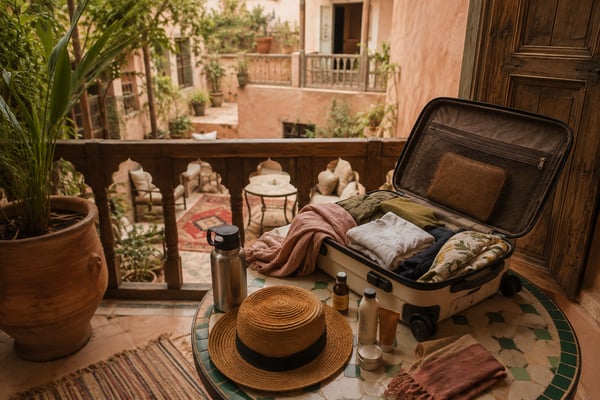
Think about transport before you buy big: a rug you can roll and carry beats one you must ship, since shipping is where a purchase can go wrong after you have left the country. If you do ship, get the terms in writing and keep your receipt. For spices and liquids like argan oil, mind your airline's rules and pack them well. Buying what fits in your luggage is the simplest way to avoid the one part of Moroccan shopping that reliably causes regret.
Every purchase here sits on the same opening-price logic, and knowing an item's real range before the number is spoken is the whole defence. How shopping, taxis and guides share that one skill is worked out in the complete Morocco trip guide.