Inside a Moroccan Carpet Shop: What Actually Happens
The mint tea, the unrolled rugs, the shrinking price. A Moroccan carpet-shop visit is a practiced performance — here's the choreography, and how to enjoy it without overpaying.
A Moroccan carpet-shop visit is a practiced, hospitable performance with a predictable arc, and knowing the choreography lets you enjoy it without being carried along by it. The tea, the parade of unrolled rugs, the story of each one, and the price that keeps falling are all part of a sales craft refined over generations. It is not a trap so much as a ritual — one you can take part in on your own terms.
How you got here
Many first-timers arrive at a carpet shop not by choice but by delivery: a faux guide, or even a licensed guide earning a commission, has steered them there, because the shop pays a cut of whatever sells. This matters before you cross the threshold, because it means the "friend" who brought you has a financial stake in your staying and buying. Arriving under your own steam, at a shop you chose, changes the whole dynamic.
The choreography, step by step
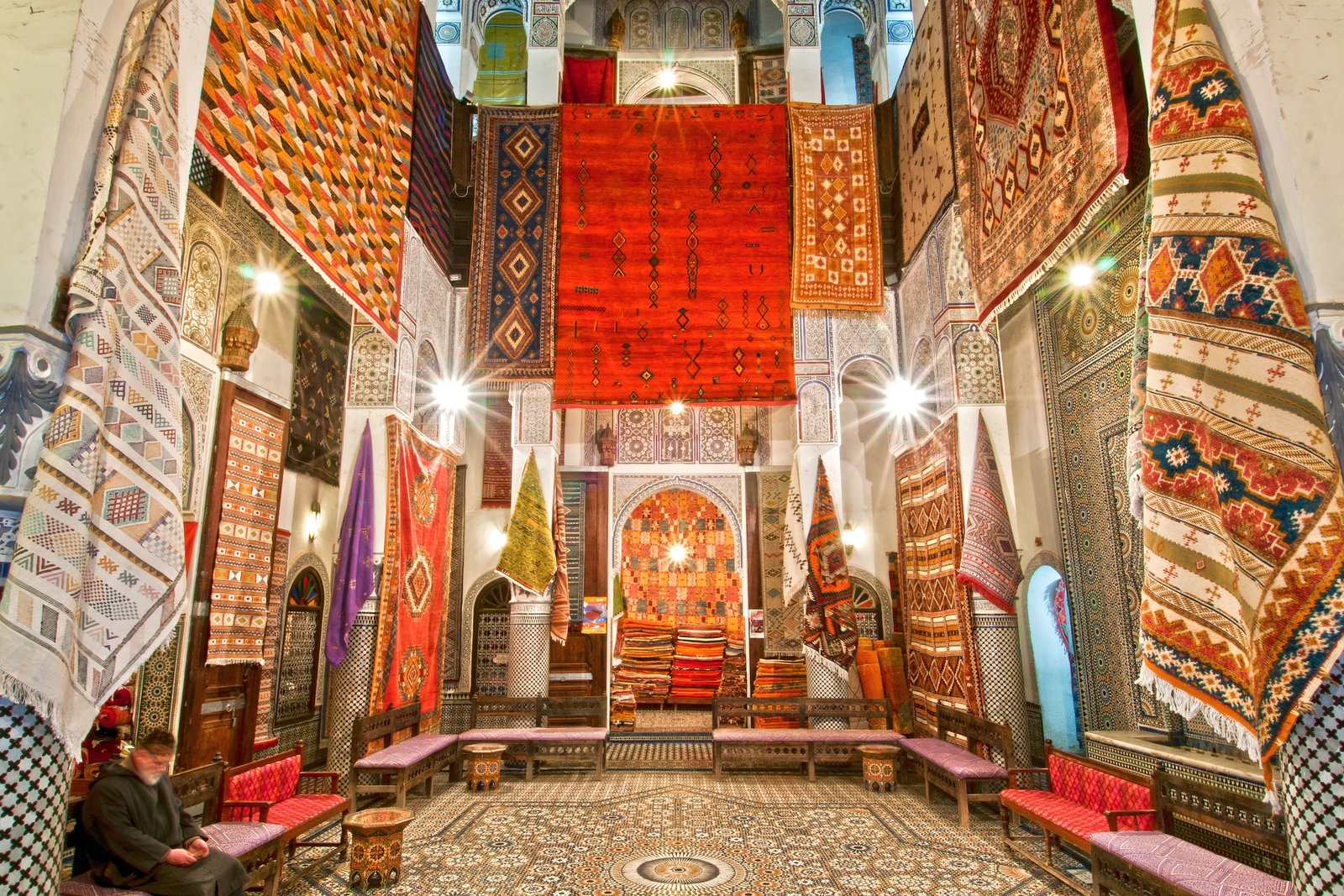
The visit follows a reliable sequence: a warm welcome and mint tea, an insistence that there is no obligation to buy, then rugs unrolled one after another across the floor in a growing, beautiful pile. You will be asked which you like, drawn into narrowing choices, and complimented on your eye. Each step deepens your investment of time and courtesy, which is precisely the point — the pile on the floor is a ledger of obligation.
Why the tea matters
Accepting tea feels like simple hospitality, and it is, but it also opens a social contract in which leaving without buying starts to feel rude. That feeling is manufactured and worth naming to yourself as it happens. You are always free to drink the tea, admire the work sincerely, thank them warmly, and walk out having bought nothing. A good merchant knows this and holds no grudge.
The price that keeps moving
The first number is an opening position, often a large multiple of what the rug will actually sell for, and the negotiation that follows is expected rather than adversarial. Prices fall in stages as you show polite reluctance, name a lower figure, and move toward the door. There is no fixed "real" price; there is the price at which you are both content, and reaching it calmly is the whole game. Our haggling guide covers the mechanics.
Never start what you won't finish
Only begin bargaining on a rug you would genuinely buy at the right number, because naming a price you then walk away from is the one move considered bad faith. If you are only looking, say so warmly and enjoy the show without engaging on price. Admiring is free and welcome; a serious counter-offer is a signal that you intend to buy.
What a fair price even means
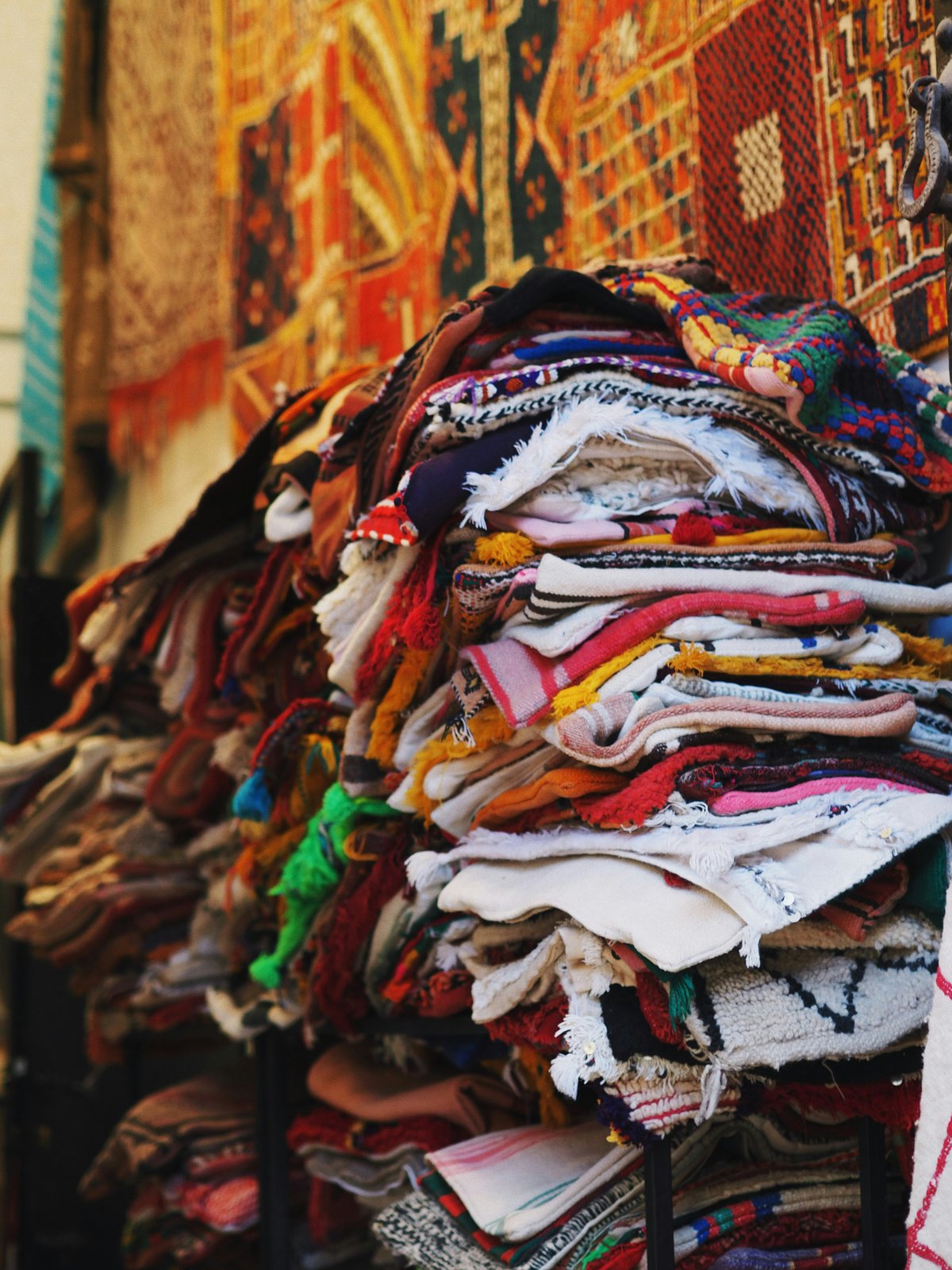
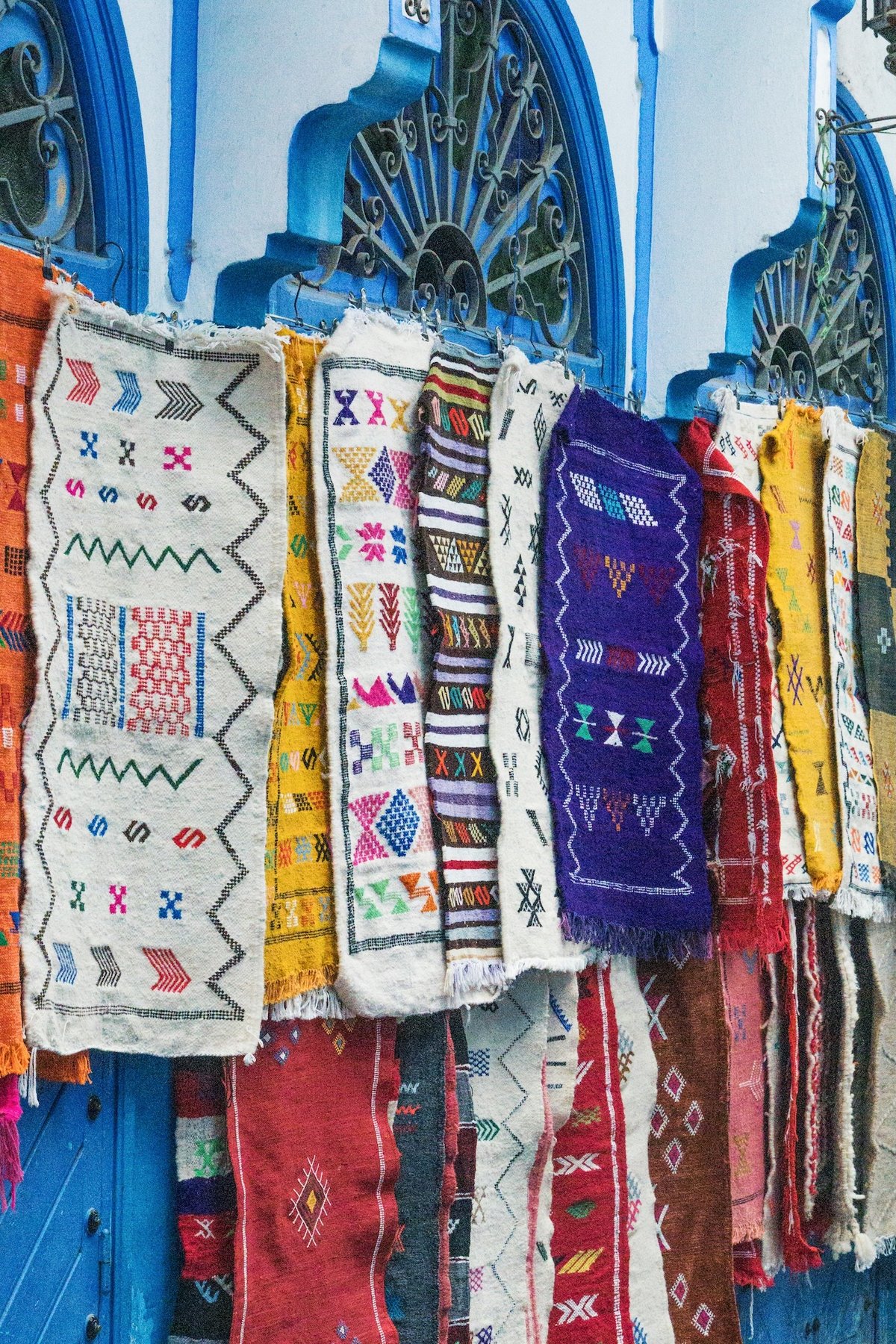
There is no fixed retail price for a handmade rug, which unsettles shoppers used to tags, but it also means "fair" is simply the number at which you are happy and the seller still agrees. Quality varies enormously — hand-knotted versus machine-made, natural versus synthetic dyes, wool versus blends — and a higher price can be entirely justified. Ask what a rug is made of and how it was made, and let the answers, not the theatre, inform your number.
Shipping and carrying
Shops routinely offer to ship larger rugs home, and while many do so reliably, this is where a purchase can go wrong after you have left. For anything you can carry, taking it with you removes the risk entirely. If you do ship, get the terms in writing, keep your receipt, and understand that recourse from abroad is limited — a reason to buy a size you can fit in your luggage where possible.
Enjoying it on your terms
A carpet shop is one of Morocco's real pleasures when you enter it clear-eyed: go in because you chose to, accept the tea, let them unroll the whole pile, ask about the regions and the weaving, and either buy something you love at a price you are happy with or leave graciously. The performance is genuine craft, and appreciating it does not obligate you to a purchase. The power in the room is simply your willingness to walk.
The carpet shop makes visible what runs quietly through the whole trip: how you got somewhere, and who was paid to bring you, shapes the price before a word is spoken. That connection between commission, arrival and cost is worked out in the complete Morocco trip guide.
For the bargaining itself, see the souk bargaining habit; for who brought you, the faux guide economy explains the delivery.
Moroccan carpet shops: FAQ
Am I obligated to buy after the tea?
No. The tea and the unrolled pile create a feeling of obligation, but you are always free to admire, thank them, and leave.
Why is the first price so high?
It is an opening position, often a large multiple of the selling price. Bargaining down in stages is expected, not rude.
How did I end up in the shop?
Often a guide steered you there for a commission. Arriving at a shop you chose yourself changes the dynamic.
Can I bargain just for fun?
No — only counter on a rug you would actually buy. Naming a price and then walking is considered bad faith.
Are carpet shops a scam?
Not really. They are genuine craft and practiced salesmanship. The risk is overpaying, not being cheated.