Morocco isn't one climate but several — coast, imperial cities, desert and mountains all differ sharply. What to expect where, and how to pack for a multi-region trip.
Morocco is not one climate but several, and a trip that crosses the coast, the imperial cities, the desert and the mountains can span a startling range of conditions in a single week. Understanding how each region behaves by season is the key to timing your trip and — just as importantly — packing for it, since you may need shorts and a warm jacket in the same suitcase. Here is what to expect where, and when.
The imperial cities: hot summers, mild winters
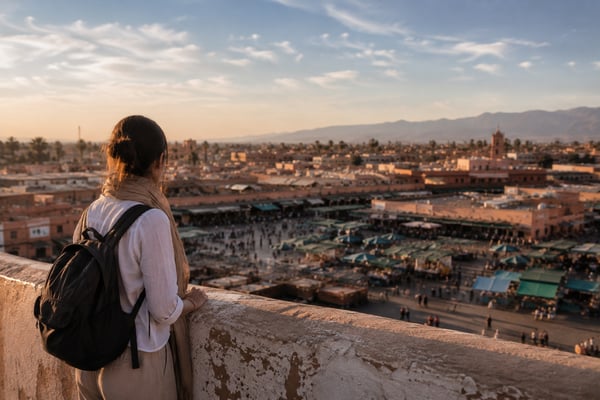
Marrakech, Fez and Meknes inland share a broadly similar pattern: very hot, dry summers, pleasant springs and autumns, and mild but chilly winters with cold nights. These cities are most comfortable in spring and autumn, uncomfortable at midday in high summer, and cool enough in winter to need a jacket after dark. For most first-timers touring the cities, the shoulder seasons are the clear choice, avoiding both the summer furnace and the winter chill.
The coast: milder and steadier
The Atlantic coast — Essaouira, Casablanca, Agadir — is markedly milder and more temperate than the interior, cooled by ocean breezes that take the edge off summer heat and keep winters gentle. Essaouira in particular is famously windy, wonderful for a summer escape from the inland heat but breezy year-round. If summer is your only option, building in coastal time is a smart way to stay comfortable while the interior bakes.
The Sahara: extremes at both ends
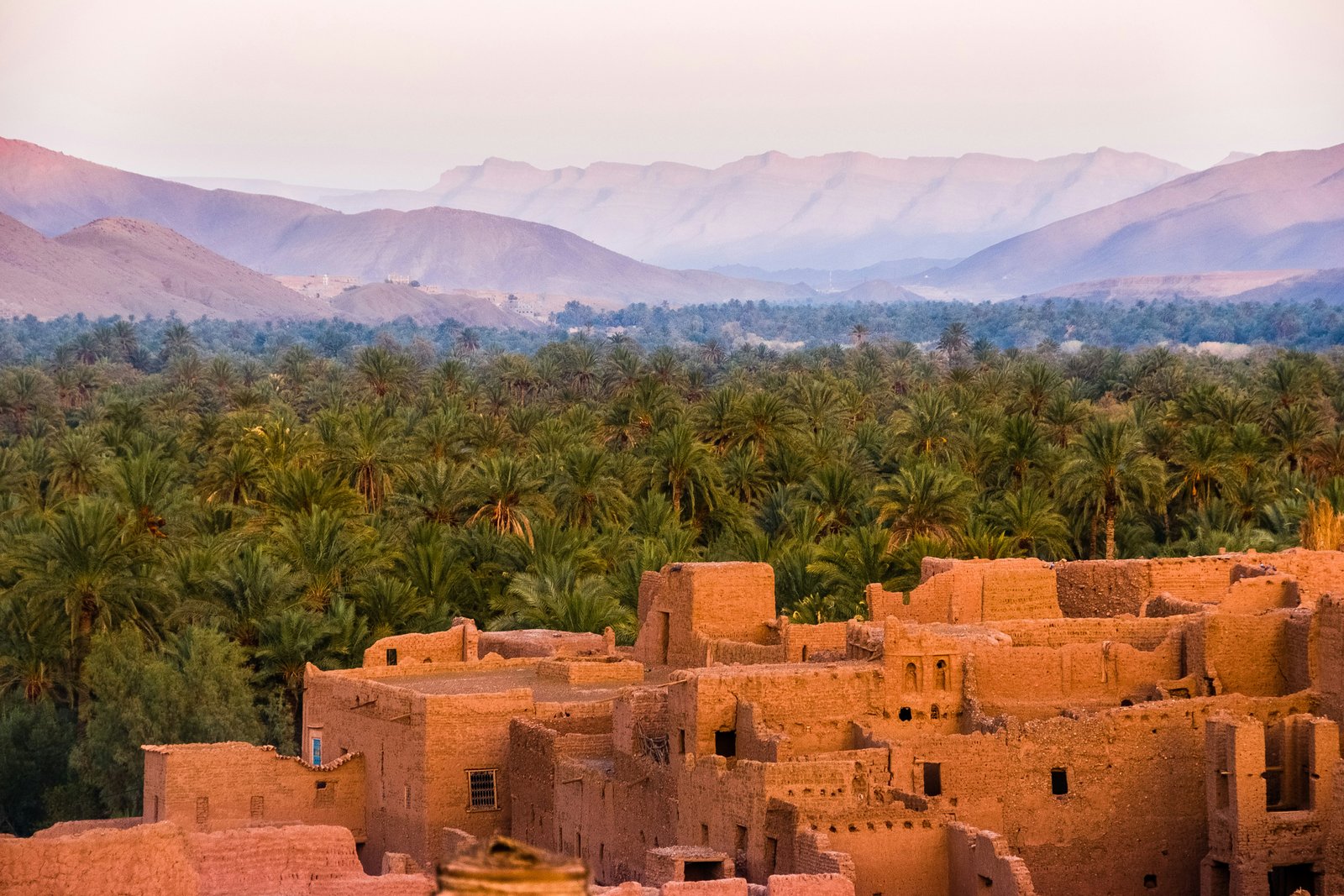
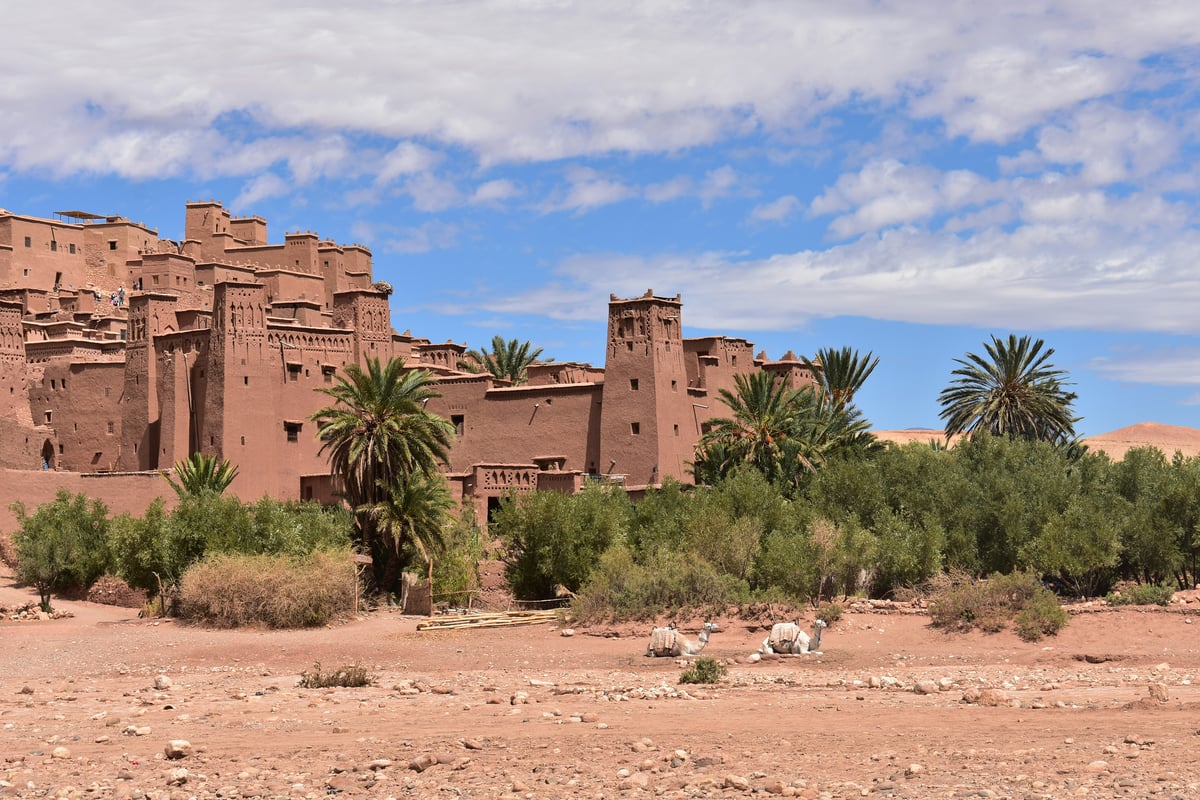
The desert is a study in extremes: scorching by day and cold by night year-round, dangerously hot in summer, and genuinely freezing on winter nights despite warm daytime sun. Spring and autumn are the sweet spots for a desert trip, with warm days and merely cool nights. Whenever you go, the day-to-night swing is large, so a desert excursion always demands both sun protection and warm layers for after dark — even in the warmer months.
The Atlas Mountains: alpine rules
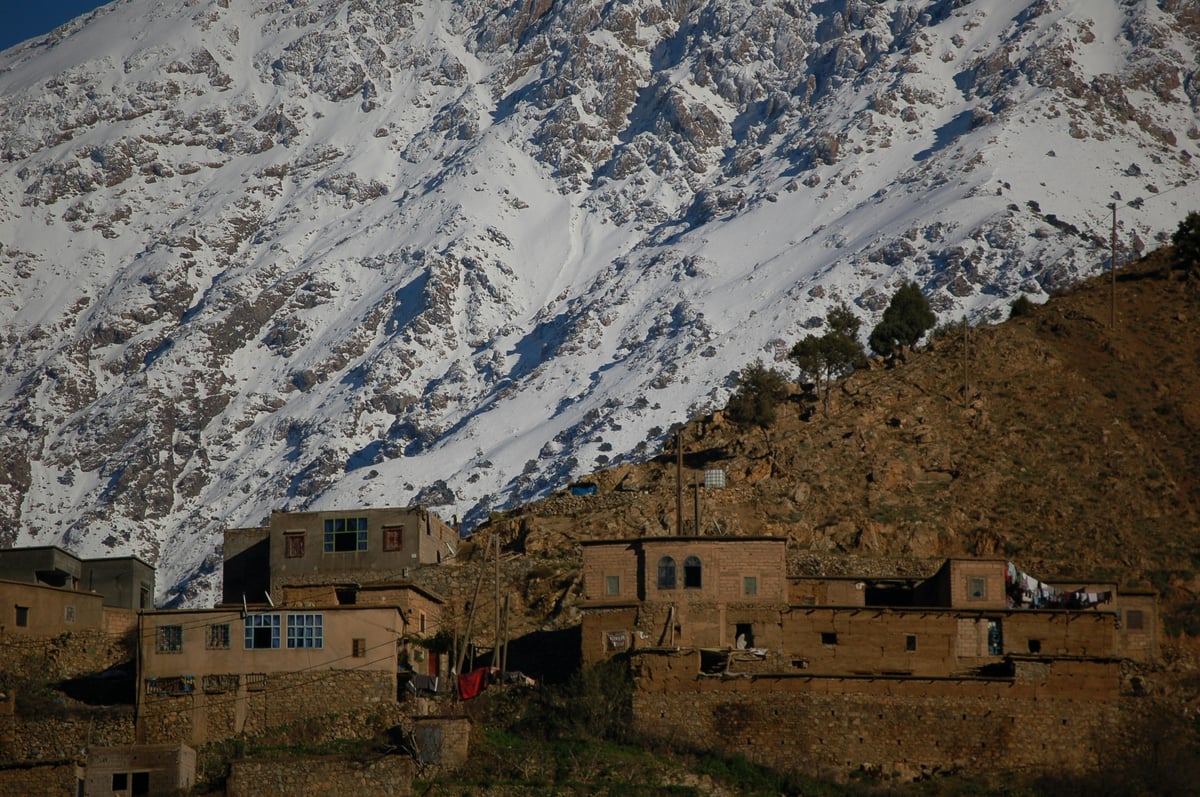
The High Atlas follows mountain logic: cooler than the lowlands year-round, warm and green in spring and summer at accessible altitudes, and snow-covered in winter, when high passes can close. Trekkers favour spring through autumn; winter turns the peaks alpine and cold. If your trip includes mountain hiking or a pass en route to the desert, the season dictates what is possible, and winter snow can reroute or block high tracks entirely.
Packing for a multi-region trip
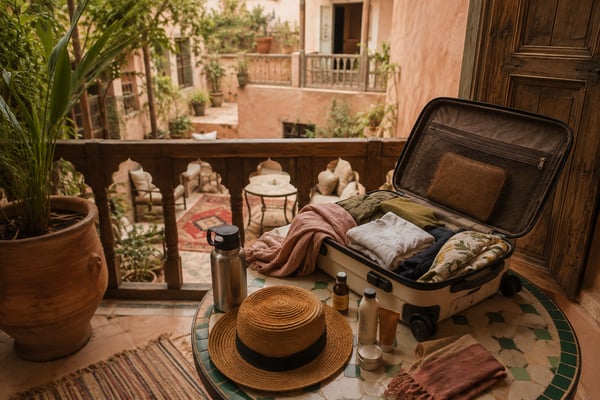
Because a single itinerary can cross these zones, the packing rule is layers: light, breathable clothing for the hot cities and desert days, warm layers and a jacket for desert and mountain nights and winter evenings, sun protection everywhere, and modest coverage for cultural respect. A trip combining Marrakech, the Sahara and the Atlas in shoulder season genuinely needs both a sun hat and a fleece. Packing for the range, not the average, is how you stay comfortable throughout.
Rain and when it falls
Morocco is dry for much of the year, but the wetter months run through late autumn to early spring, when the north and the coast see most of their rain and the mountains their snow — occasionally enough to disrupt driving routes and mountain passes in winter. Summer is reliably dry almost everywhere. If you travel in winter, build a little flexibility into mountain and desert legs in case weather reroutes them, and pack something waterproof for the coast and the north.
Timing the whole trip
The season that serves the most regions at once is spring or autumn, comfortable across cities, coast, desert and accessible mountains alike, which is why they are the classic windows. Summer pushes you toward the coast and away from midday and the desert; winter opens mild city sightseeing but complicates the mountains and chills the desert nights. Choosing your dates around the regions you most want to see is the way to get the weather working for you rather than against.
Weather ties directly to routing — which regions you can comfortably combine, and when — so it shapes the whole shape of a trip. How climate and itinerary fit together is worked out in the complete Morocco trip guide.