Card acceptance in Morocco has grown, but it remains narrower than most Americans expect, and knowing the line between where plastic works and where only cash will do prevents the small, recurring awkwardness of reaching for a card that a stall cannot take. The pattern is consistent enough to plan around, and it mostly tracks the size and formality of the place you are paying.
Where cards work reliably
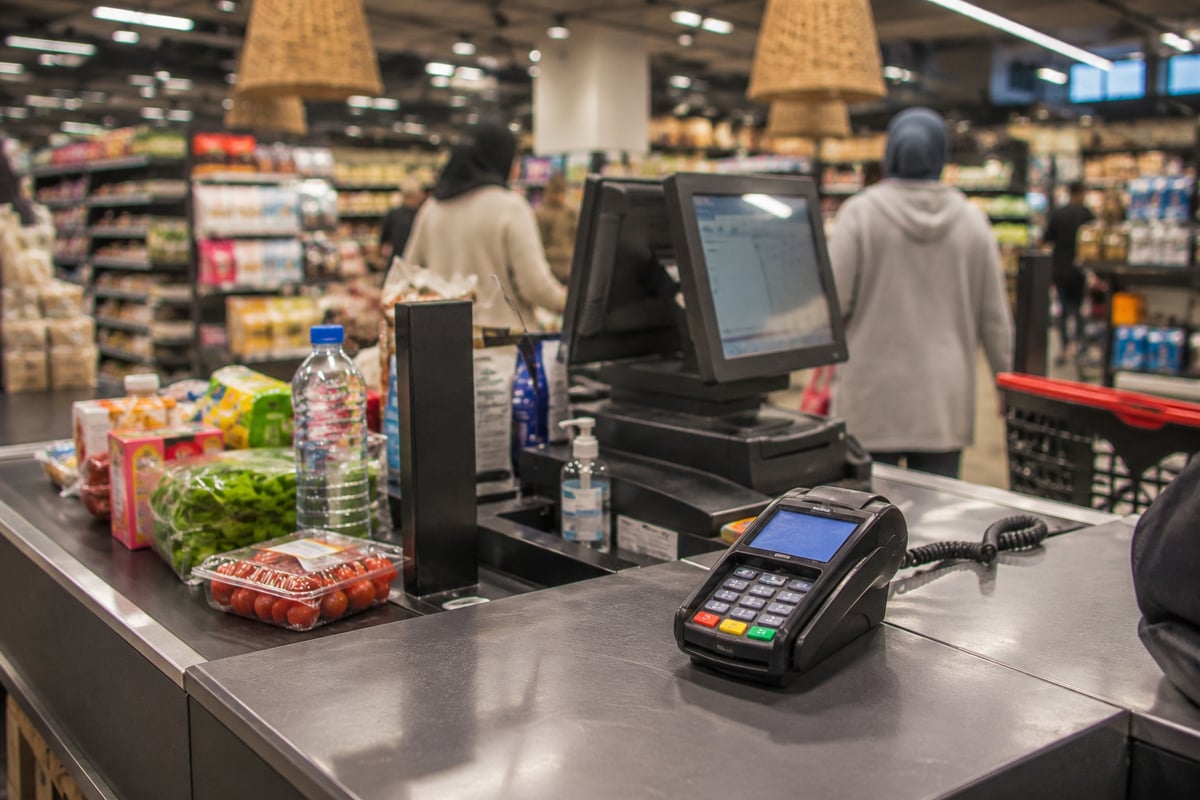
Cards are accepted dependably at hotels and riads, upscale and mid-range restaurants, modern shops and supermarkets, car rental desks, and established tour operators. In these places you can plan to pay by card, and Visa and Mastercard are both widely handled. This covers a real share of a trip's larger expenses, which is why you rarely need to carry huge amounts of cash at once — the big items take plastic.
Where it's cash only
The cash-only world is equally consistent: souk stalls, taxis, small local cafes and street food, medina riads that prefer cash, rural and desert areas, small-town everything, tips, and parking attendants. None of this is expensive individually, which is exactly why running out of small notes is the common friction rather than any large bill. Assume cash for anything small, informal, or off the main tourist track.
The rule of thumb
The reliable heuristic is that formality and size predict card acceptance: the larger and more modern the establishment, the more likely the card works; the smaller and more traditional, the more certainly it is cash. When in doubt, ask before you order or commit, and keep enough cash to cover the whole transaction either way. This one habit removes almost all card-related surprises.
Fees and the conversion trap
Two costs ride on card payments abroad. Your own bank may charge a foreign-transaction fee, which a good travel card avoids entirely, so it is worth knowing your card's terms before you go. The second is the "pay in dollars?" prompt at the terminal — dynamic currency conversion — which you should always decline in favour of dirham, exactly as at an ATM. Choosing dollars hands the rate to the merchant's processor at a markup.
Contactless, chip and the small realities
Where cards are accepted, chip-and-PIN is standard and contactless is increasingly common in modern shops and city restaurants, so your usual tap or insert works as expected. Magnetic-stripe-only cards are worth avoiding, and a card with no foreign-transaction fee saves a small percentage on every purchase across the trip. Notify your bank of the travel dates so a first Moroccan charge is not read as fraud and frozen.
When the terminal comes to you
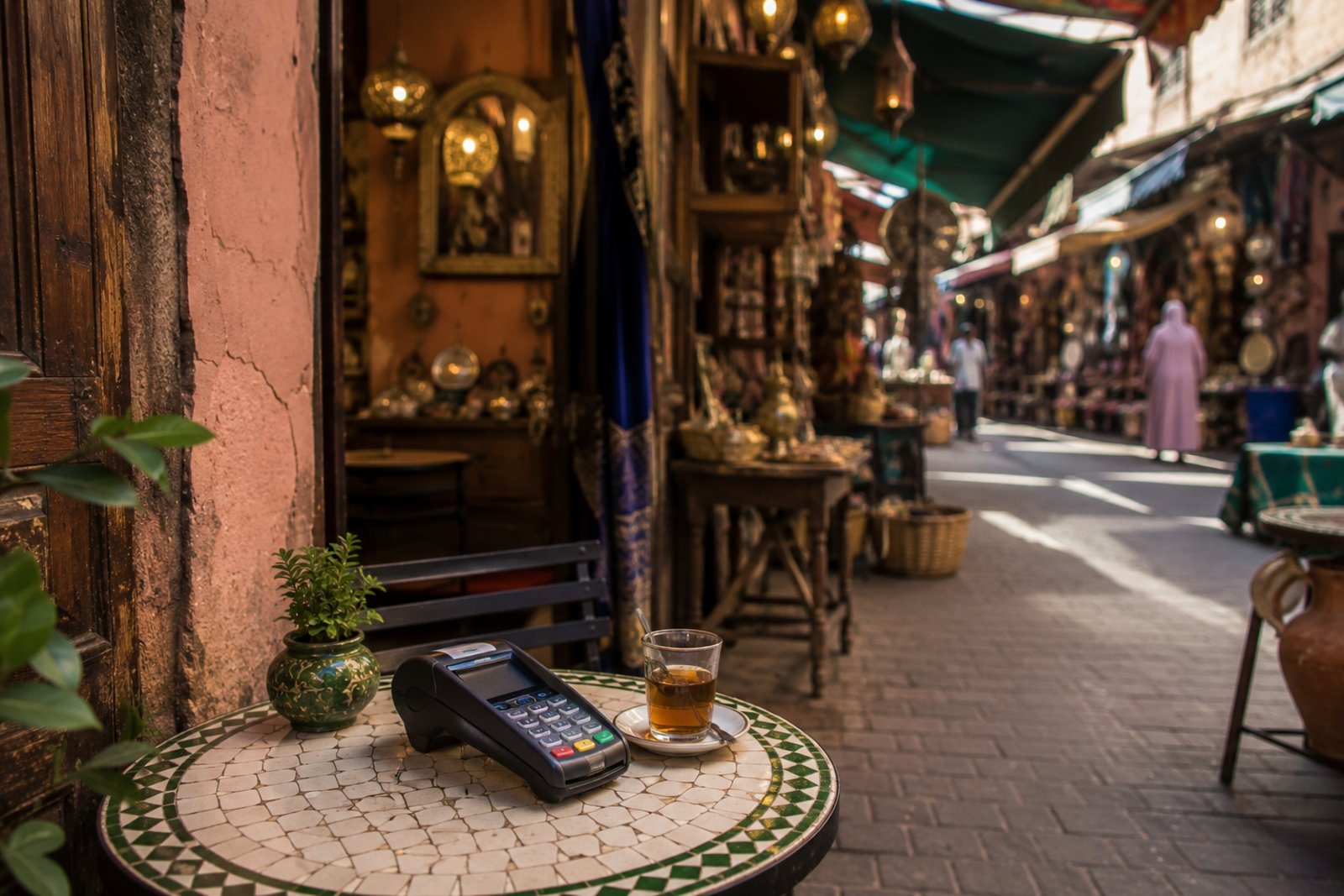
In many restaurants the terminal is brought to your table rather than taken away with your card, which is good practice you can gently insist on, and it is where the "pay in dollars?" prompt appears in person. Watch for it, choose dirham, and keep your card in sight throughout. These are the same habits you would use anywhere; Morocco simply gives the currency prompt more often.
Practical card habits
Carry two cards from different banks in separate places, set a travel notice so a first foreign charge is not blocked, and keep a card back as the reserve if your primary is lost or frozen. Cards are best treated as the way you pay the large, formal expenses while cash handles the daily texture of the trip. Between a working card for hotels and tours and a float of small notes for everything else, you are covered in every situation Morocco presents.
Where a card works and where it doesn't is the same map as where cash is king, and the conversion prompt is the same trap you meet at the ATM — one habit, two places. How cards and cash divide the trip is set out in the complete Morocco trip guide.
At hotels, riads, mid-range and upscale restaurants, modern shops, supermarkets, car rentals and tour operators — yes, reliably. Visa and Mastercard are widely accepted.
Where won't cards work?
Souk stalls, taxis, small cafes, street food, rural and desert areas, tips and parking. Assume cash for anything small or informal.
What's the quick rule?
Formality and size predict acceptance: larger and more modern takes cards; smaller and more traditional is cash. Ask when unsure.
Are there card fees?
Your bank may charge a foreign-transaction fee — a good travel card avoids it. And always decline the "pay in dollars" prompt in favour of dirham.
Should I rely on one card?
No. Carry two from different banks in separate places, set a travel notice, and keep one as a reserve.