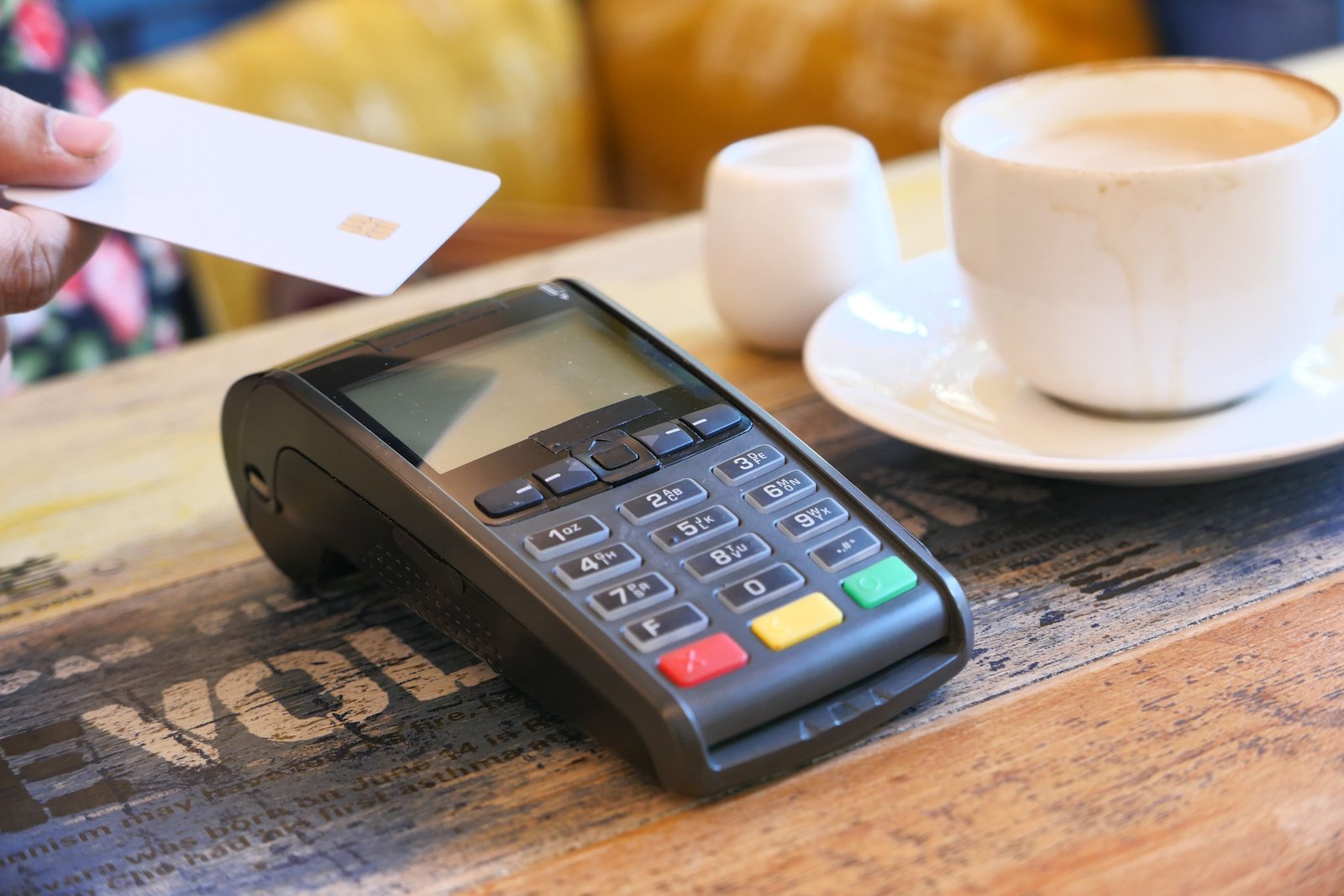
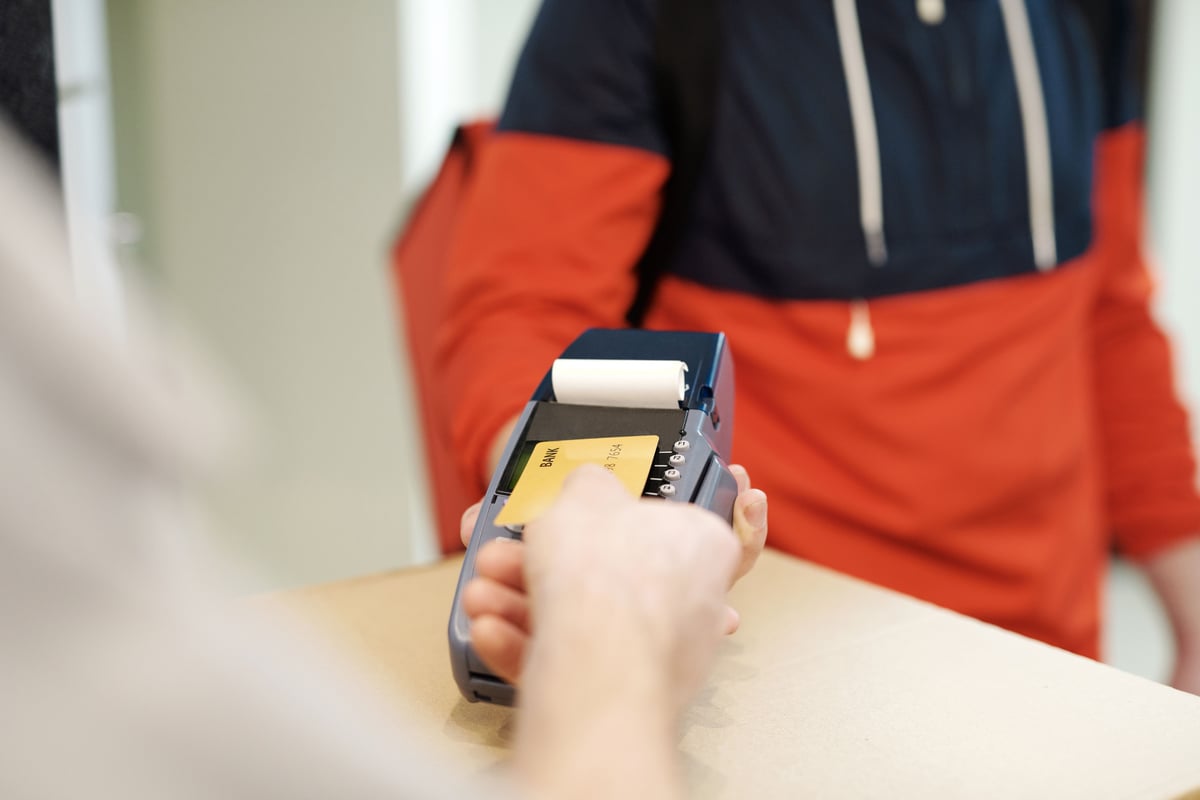
Somewhere in nearly every ATM withdrawal and card payment in Morocco, a screen asks whether you would like to be charged in dirham or in US dollars. The dollar option is presented as a courtesy, and it is the one moment where a Moroccan machine will reliably cost you money for nothing. The answer is always dirham, and understanding why makes the choice automatic for the rest of the trip.
What the screen is actually offering
The dollar option is a service called dynamic currency conversion, in which the Moroccan machine or terminal — not your bank — performs the currency conversion and picks the exchange rate. It looks like a convenience because it shows the amount in money you recognise. What it hides is that the rate applied is set by the merchant's payment processor, and it is built to be worse than the rate your own card network would use.
Who pockets the difference
The gap between that inflated rate and the real one is revenue, split between the terminal operator and the processor behind it. It is typically a few per cent, small enough on a single coffee to ignore and large enough across a fortnight of daily payments to matter. Nothing about it is illegal or hidden in the fine print — you are simply being asked to opt into a bad rate, politely.
Why "dirham" is always right
Choosing to be charged in dirham sends the transaction to your own bank in local currency, and your card network then converts it at the interbank rate, the genuine wholesale rate that is essentially always better than the terminal's. Your bank may still add its own foreign-transaction fee, but that fee applies either way — accepting dollars does not remove it, it just adds a second markup on top.
The same trick with a human face
A softer version happens without any screen: a shop or hotel simply offers to charge your card "in dollars, easier for you", framing it as a kindness. It is the same dynamic currency conversion, chosen on your behalf, and it carries the same inflated rate. Decline it exactly as you would the machine's prompt, and ask to be charged in dirham instead.
It is not the vendor cheating you
The individual shopkeeper rarely sets or even understands the rate — the markup lives in the payment processor behind the terminal. This matters because there is nothing to argue about and nobody to be annoyed at: you simply choose the local currency and the whole thing resolves. Politeness costs you nothing and the correct answer is always available.
Where you'll meet it
The choice appears in three places: at ATMs during a withdrawal, at card terminals in shops and restaurants that take cards, and occasionally on hotel bills at checkout. The wording varies — "with conversion", "in your home currency", "guaranteed in USD" — but the tell is always the same: if a screen shows you a dollar figure and asks you to confirm, it is offering dynamic currency conversion. Decline and choose the local amount.
When the choice is made for you
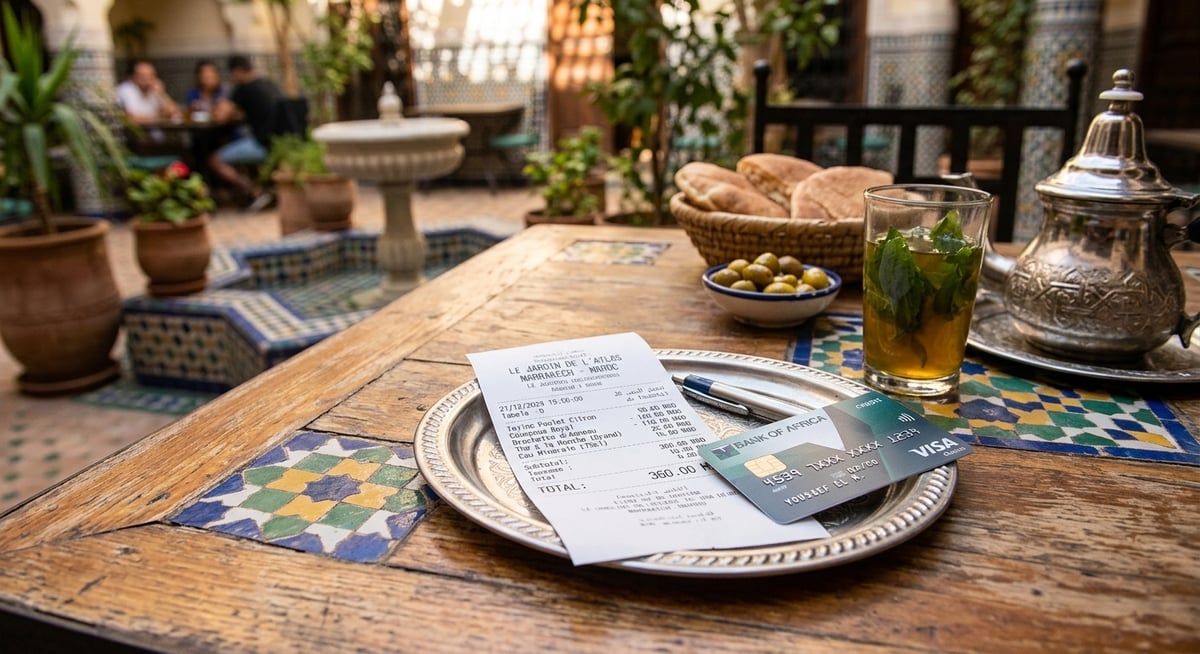
Occasionally a terminal is set to convert automatically, and a receipt shows a dollar total you never agreed to. You can ask for the transaction to be voided and re-run in dirham, and a reputable business will do it. It is worth a polite word for a large amount, though rarely worth the friction for a small one.
The one-sentence rule
You do not need to track exchange rates or do mental maths to get this right. Whenever a Moroccan machine or terminal offers you a choice of currency, pick dirham, every time, without exception. That single habit captures the entire benefit and removes the only decision the screen was trying to make complicated.
This screen is one instance of a pattern that runs through a Moroccan trip: a cost that arrives dressed as a convenience, paid by you to someone you never see. Where else that shape appears, and how to spot it before you confirm, is worked out in the complete Morocco trip guide.