Short answer: no, not for everyday spending. Why Morocco runs on dirham only, where dollars have a narrow use, and what to actually do with the cash you brought.
Americans often ask whether they can spend US dollars in Morocco, and the honest answer is no — not for everyday purchases. Morocco runs on the dirham, a closed currency you cannot buy in advance, and the greengrocer, the taxi and the cafe all want local money. Dollars have a narrow, specific use as backup and for exchange, but the trip is paid in dirham. Here is where your dollars fit and, more importantly, where they do not.
The everyday answer: dirham only
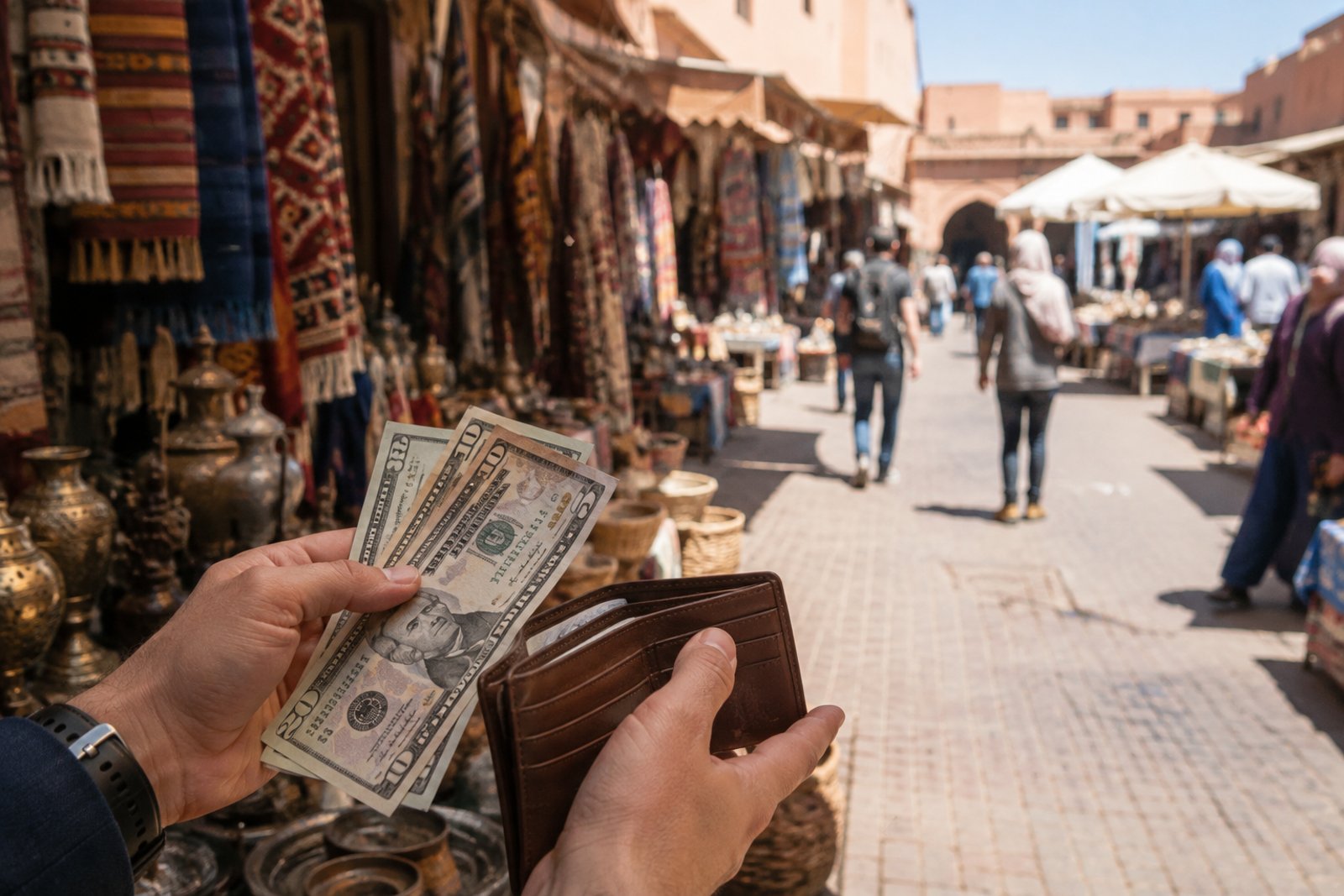
For normal spending — food, taxis, souks, tickets, tips — you pay in dirham, and offering dollars will get you a blank look at a stall and a poor improvised rate at best anywhere else. The dirham is the currency of daily life, and there is no dollar economy running alongside it as there is in some heavily touristed countries. Plan to convert to dirham and spend dirham, full stop.
Why there's no dollar shortcut
Because the dirham is closed and tightly managed, Morocco does not have the informal dollar acceptance you find in some destinations, and trying to lean on dollars simply makes every transaction harder and more expensive. The efficient path is to withdraw dirham from an ATM on arrival and use it for everything. Fighting that with dollars is effort spent making the trip worse.
Where dollars do have a use
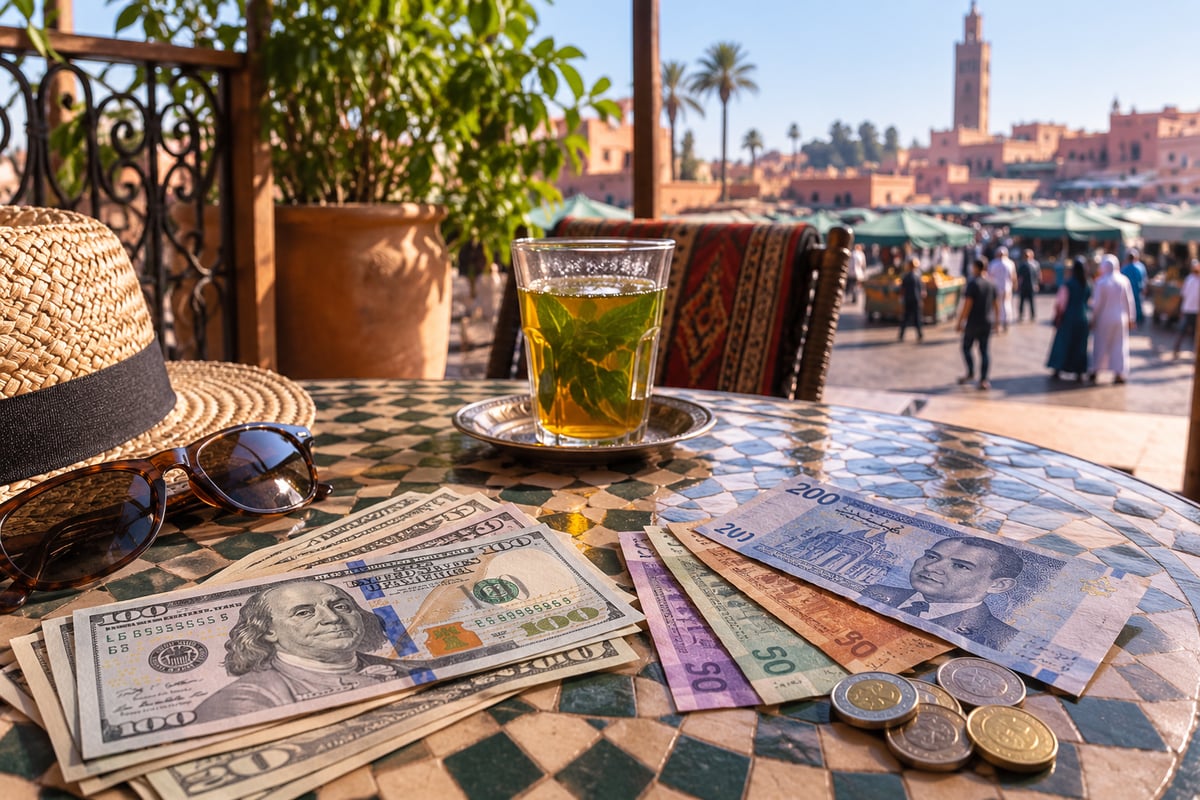
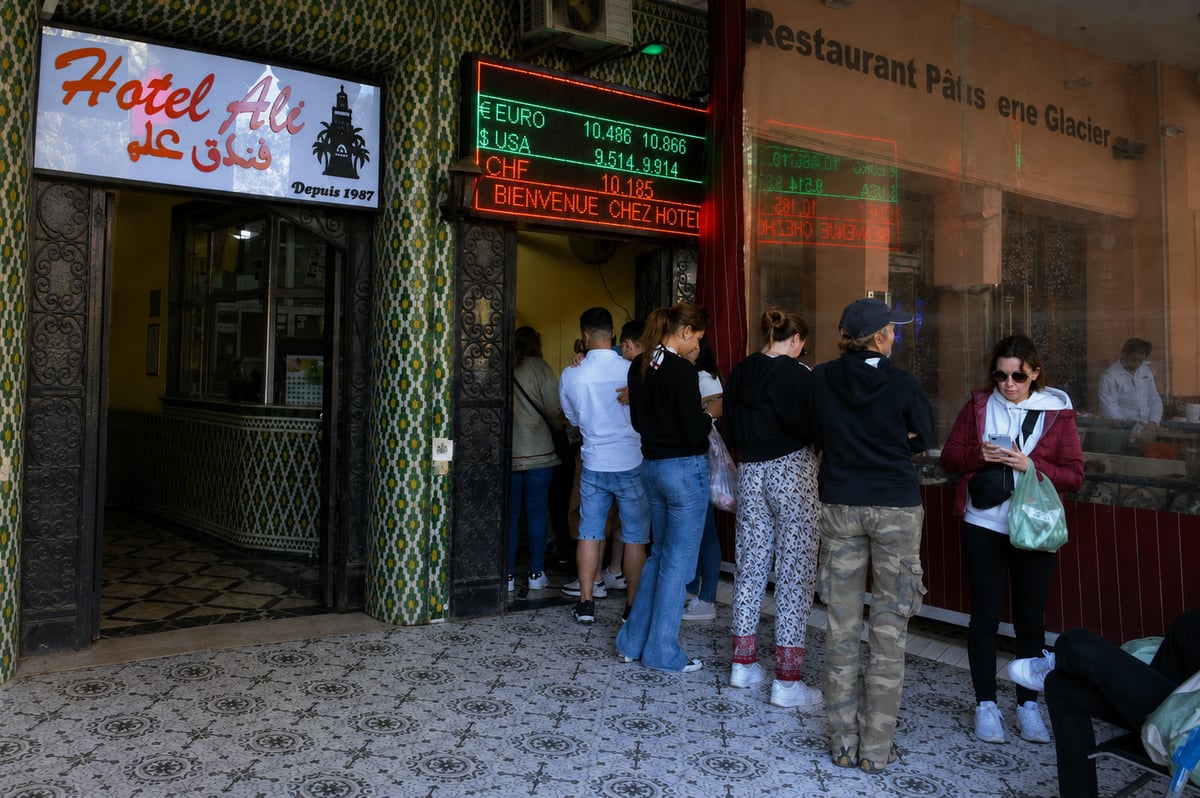
Dollars earn their place as backup and as exchange fuel, not as spending money. A couple of hundred dollars in clean, undamaged notes is sensible insurance if your card is blocked, lost or eaten by a machine: you can change them at a licensed bureau to get moving again. Some higher-end hotels or tour operators may also quote or accept dollars or euros for large bookings, but that is the exception, not daily life.
Bring clean, undamaged notes
If you do bring dollars as backup, their condition matters more than Americans expect: torn, marked or heavily worn bills are frequently refused at exchange bureaux, and older-series notes can be harder to change. Bring crisp, recent, undamaged bills, and keep them separate from your cards so a single lost bag cannot take both. Damaged dollars are backup that fails exactly when you need it.
What to do with leftover dollars
Any dollars you do not use as backup simply go home with you — unlike dirham, they are your own currency and lose nothing by returning unspent. This is precisely why dollars make good insurance: there is no penalty for carrying them there and back untouched. The asymmetry is worth remembering — hold dollars as a safety net, convert only what you need to dirham, and spend the dirham down to nothing before you fly.
Dollars versus euros as backup
If you are choosing a backup currency to carry, euros are marginally more widely recognised than dollars at Moroccan exchange bureaux, given Europe's proximity and tourism, though both change easily at a licensed bureau. For an American traveller, dollars are perfectly fine as backup and there is no need to acquire euros specially. The point is to carry some hard currency you can exchange if a card fails, and dollars serve that role without any fuss.
Keeping the backup safe
Wherever your backup cash comes from, split it from your cards and your everyday dirham so no single lost bag empties every source at once. A little in the room safe, a little on your person, and your cards elsewhere is the standard sensible spread. The whole value of backup dollars is that they survive whatever happened to your primary method, and that only holds if they are stored apart from it.
The practical takeaway
Treat dollars as a fire extinguisher, not a wallet: bring a modest amount of clean notes for emergencies, rely on your card and the ATM for actual dirham, and do your spending entirely in local currency. That division — dollars in reserve, dirham in hand — covers every money situation Morocco presents without ever needing a stall-holder to accept a currency they cannot use.
The dollar's narrow role is a direct consequence of the closed currency that shapes the whole trip's money: you convert on arrival, spend dirham throughout, and keep dollars only as the backstop. How that runs from the airport to the final day is worked out in the complete Morocco trip guide.