Travel Insurance for Morocco: What It Needs to Cover
Morocco is safe to travel, but private healthcare is pay-first and desert activities carry risk. What a policy should actually cover, and why to have one.
Travel insurance for Morocco is worth having not because the country is dangerous — it is a safe, rewarding destination — but because the specific risks of a trip here are the kind insurance exists for: pay-first private hospitals, adventure activities in the desert and mountains, and the ordinary chance of a cancelled flight or lost bag. Knowing what a policy should cover lets you buy the right one rather than the cheapest. Here is what matters.
Why insurance matters here specifically
Morocco's public health system is limited for visitors, and the private hospitals you would actually use typically expect payment upfront or a guarantee before treatment, which can mean a large sum at exactly the wrong moment. Travel insurance that covers medical costs and, crucially, medical evacuation turns that from a crisis into a claim. This is the single strongest reason to carry a policy on a Morocco trip.
Medical and evacuation cover
The core of any Morocco policy is solid medical cover with a high enough limit and, importantly, emergency medical evacuation — because a serious problem in a remote area like the desert or the High Atlas may require transport to a major city or home. Check the medical limit is substantial and that evacuation is included rather than an add-on. For most travellers this is the part of the policy that justifies its entire cost.
Adventure activities
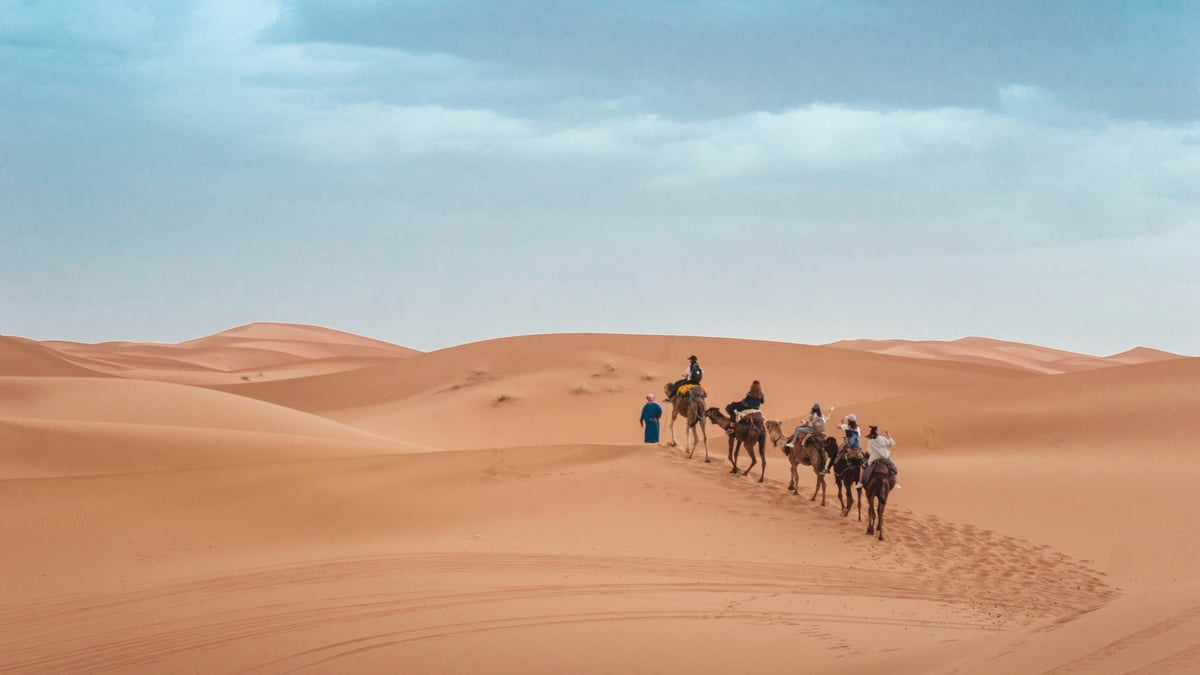
Standard policies often exclude the very things people come to Morocco to do, so if your trip includes camel trekking, quad biking, trekking Toubkal, surfing at Essaouira or hot-air ballooning, confirm those activities are covered. Adventure or activity add-ons exist precisely for this, and reading the exclusions before you buy is far better than discovering a gap after a fall in the dunes. Match the policy to your actual itinerary.
Cancellation, delays and belongings
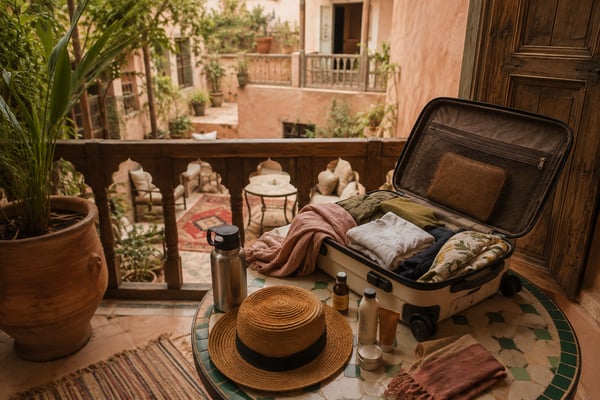
Beyond health, a good policy covers trip cancellation and interruption, flight delays and missed connections, and lost, stolen or delayed baggage — the ordinary mishaps of any international trip. Given that petty theft is the realistic risk in Morocco rather than anything worse, baggage and personal-belongings cover is genuinely useful. Keep receipts and report any theft to the police to get the report a claim will need.
What a claim actually needs
Insurance only helps if you can substantiate a claim, so the practical habits matter: keep receipts for anything valuable, get a police report for theft, retain medical paperwork and bills, and photograph or note the details of any incident. Report problems promptly, and contact your insurer's emergency line before incurring major medical costs where possible, since some require prior authorisation. Good documentation is the difference between a smooth claim and a denied one.
Existing conditions and the fine print
Read the exclusions before you rely on the cover: pre-existing medical conditions often need declaring, high-value electronics may have per-item limits, and some policies cap or exclude specific activities. A few minutes with the policy wording when you buy prevents the worst kind of surprise, the one discovered at the moment of claiming. Match the declared details to your real trip, and the cover does what you bought it for.
Practical points
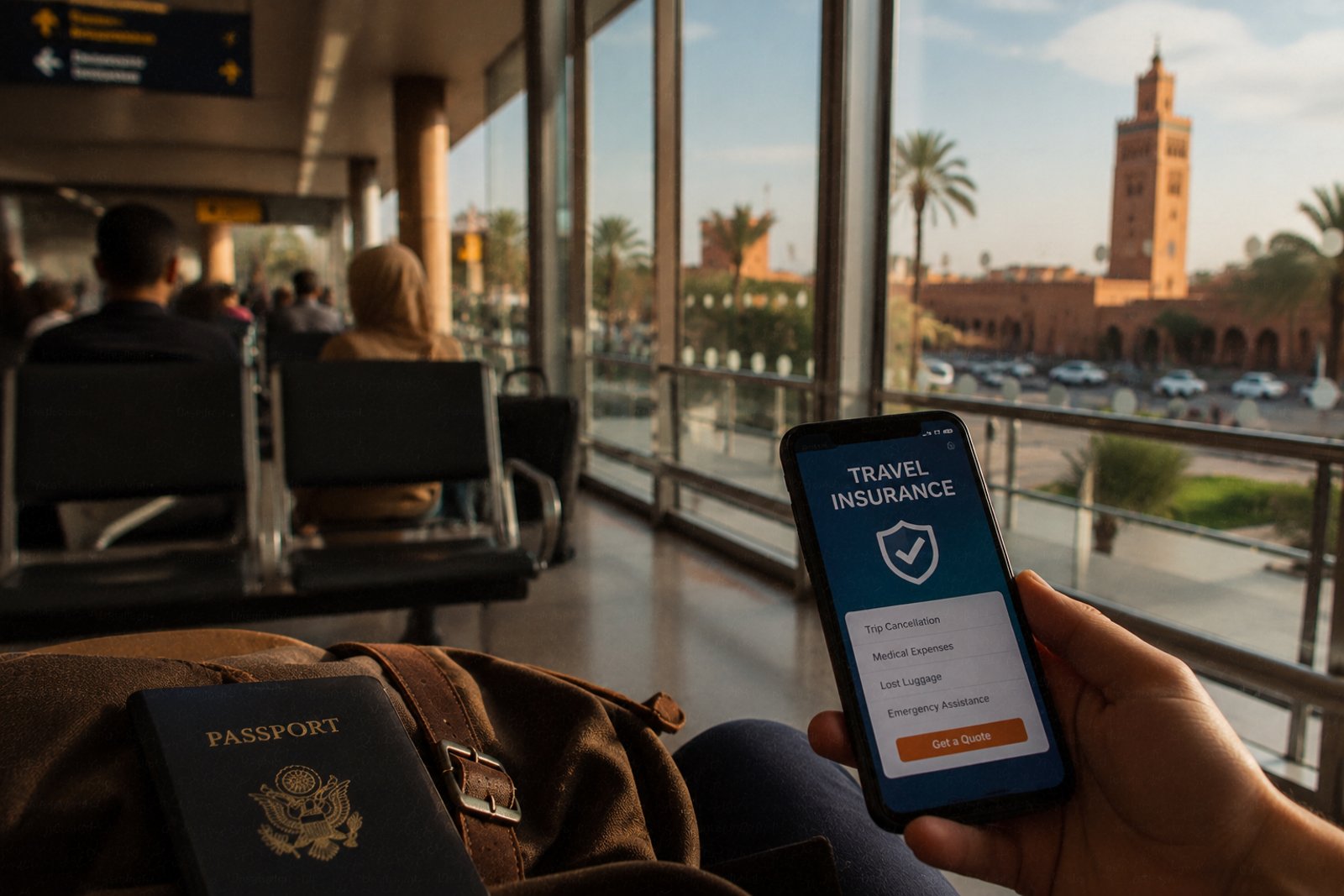
Buy the policy when you book the trip, not at the airport, so cancellation cover applies from the start, and carry the policy number and the insurer's emergency line somewhere accessible, including offline on your phone. Check whether it covers your whole itinerary and the full duration, and keep documentation of anything you might claim for. A policy you can actually reach and use in a remote area is worth more than a marginally cheaper one you cannot.
Insurance is the quiet backstop to the more visible desert and mountain choices — which activities, how remote, how far from a hospital — that shape a trip's real risk profile. How those pieces fit is worked out in the complete Morocco trip guide.
For the safety picture that insurance backs up, see our honest safety guide; for the desert activities to insure, the Sahara guide covers what's involved.
Morocco travel insurance: FAQ
Do I really need insurance for Morocco?
It's strongly recommended. Private hospitals expect payment upfront, and desert and mountain activities carry risk — insurance turns a crisis into a claim.
What's the most important cover?
Medical costs with a high limit and emergency medical evacuation, since a serious problem in a remote area may need transport out.
Are desert activities covered?
Not always by default. Confirm camel trekking, quad biking, Toubkal treks and ballooning are included, or add an activity extension.
What about theft?
Baggage and belongings cover is useful, since petty theft is the realistic risk. Report any theft to police for the report a claim needs.
When should I buy it?
When you book the trip, so cancellation cover applies from the start. Carry the policy number and emergency line offline.