The Sahara Desert: A First-Timer's Guide to Merzouga and Zagora
The Sahara is the highlight of many Morocco trips. Here's what a first-timer needs — Merzouga vs. Zagora, what a desert camp night is like, and how to prepare.
For many first-time visitors, a night in the Sahara is the single most memorable part of a Morocco trip — a camel ride over golden dunes at sunset, dinner around a fire, and a sky thick with stars. It's also the leg that takes the most planning, since the desert is a long way from the cities. Here's what you need to know.
Merzouga or Zagora?
Merzouga is the right answer for most first-timers: Erg Chebbi's tall dunes are the postcard Sahara, and reaching them means a 9–10 hour drive from Marrakech, so realistically a 3-day/2-night trip. Zagora is closer and fits a 2-day/1-night trip, but its dunes are smaller and stonier. The choice is really about how many days you can give the desert.
Merzouga (Erg Chebbi)
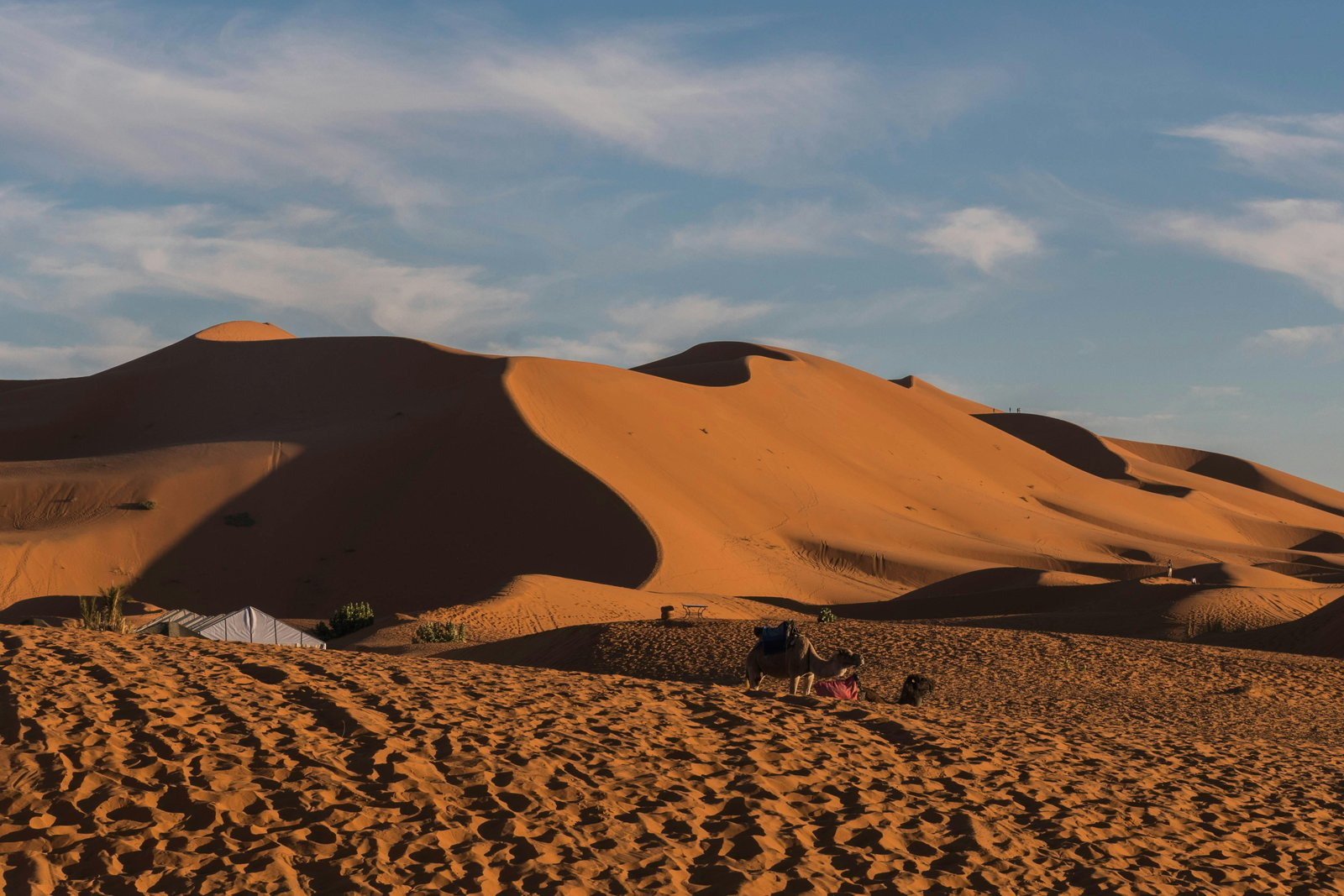
Home to Erg Chebbi, the tall, sweeping golden dunes that look like the postcard Sahara. It's farther from Marrakech — roughly a 9–10 hour drive, so realistically a 3-day/2-night trip — but the dunes are dramatically bigger and more beautiful. For most first-timers chasing the classic desert image, Merzouga is worth the extra time.
Zagora
Closer to Marrakech and doable as a shorter 2-day/1-night trip, but the dunes are smaller and less spectacular, and the landscape is more rocky desert than towering sand. Choose Zagora if you're truly short on time; choose Merzouga if you can spare the extra day. Our detailed comparison goes deeper.
How to get there
There's no airport or train to the dunes — the Sahara is reached overland, almost always as a guided multi-day tour with a driver, or self-driven if you're adventurous. Most first-timers take the tour, because it handles the long distances and turns the drive itself into part of the trip, with spectacular stops along the way: the film-famous kasbah of Aït Benhaddou, the dramatic Todra Gorge, and the Dades and Rose valleys. See our Sahara tours from Marrakech guide for how to book.
What a desert camp night is like
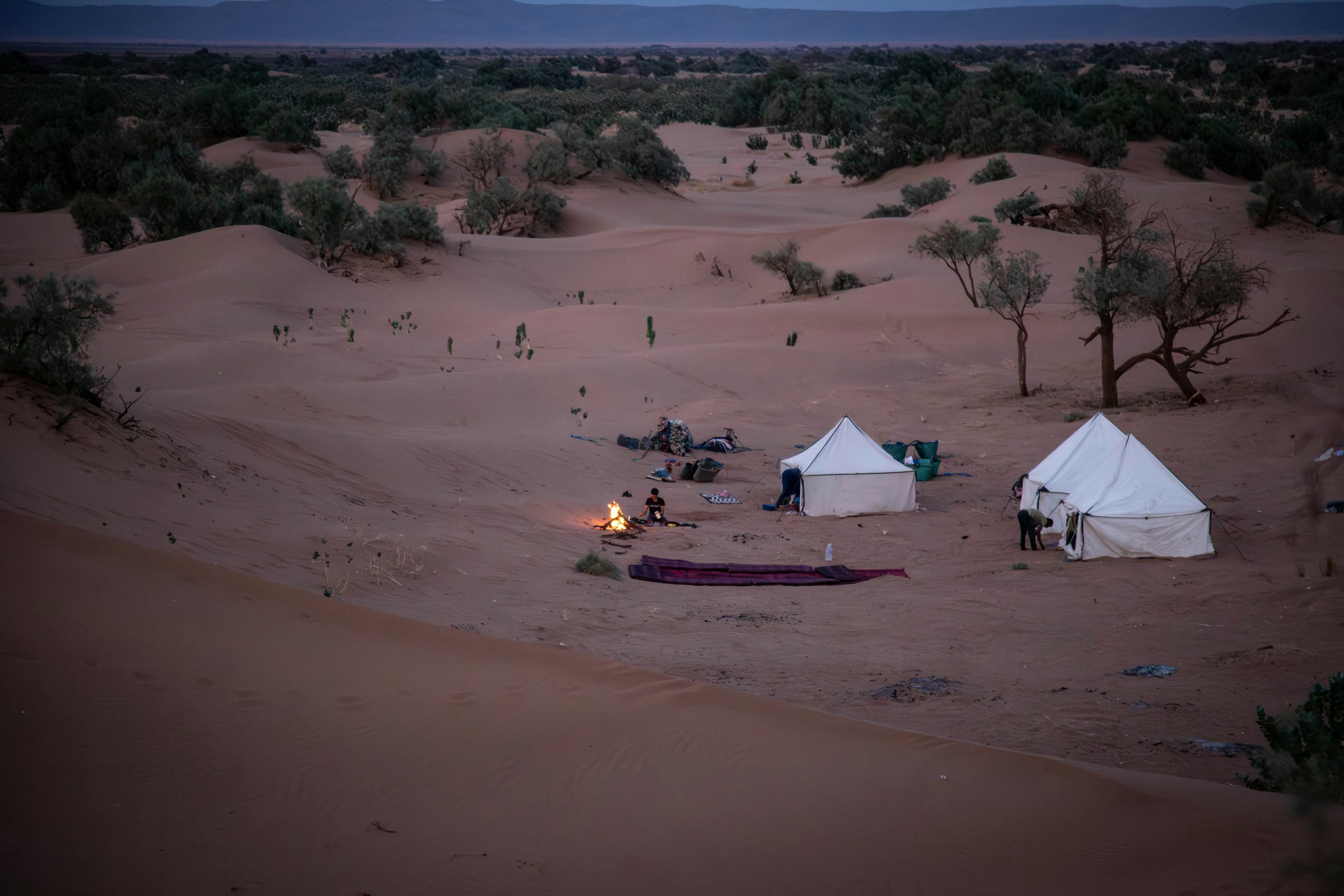
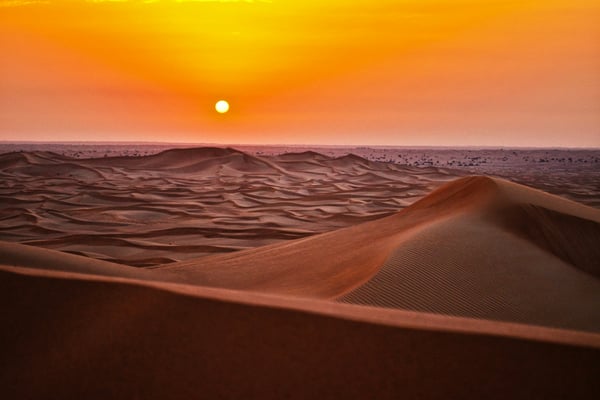
The heart of the experience. In the late afternoon you'll ride a camel (or 4x4) into the dunes to your camp as the light turns gold. Camps range from simple to genuinely luxurious, but the rhythm is similar: a traditional dinner, often music around a fire, and then the main event — lying back under a sky so full of stars it's disorienting. Nights can be cold, even in summer, so layers matter. In the morning, wake for sunrise over the dunes, one of the great sights of any trip.
What to pack for the desert
A few essentials make the trip far more comfortable: layers for hot days and genuinely cold nights, a scarf (invaluable against sun and blowing sand), sunglasses and sunscreen, closed shoes plus sandals, a headlamp or flashlight, and any cash you'll need since there are no ATMs out here. Bring a small bag for the camp and leave your main luggage in the vehicle. And download offline maps and music before you go — there's little to no signal in the deep desert.
The camel ride: what it's really like
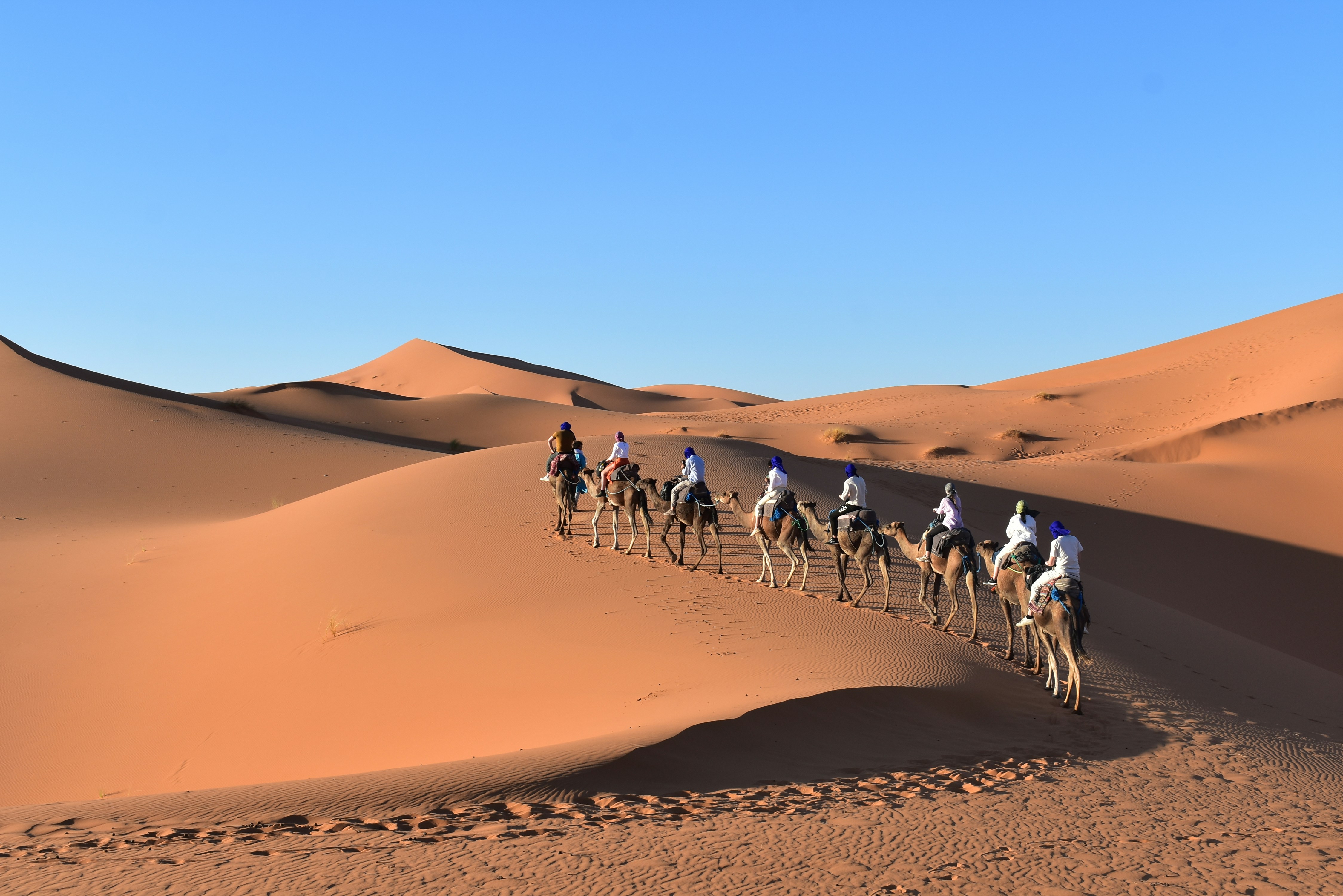
The sunset camel trek into the dunes is the iconic Sahara moment, and it's worth setting expectations. You'll ride single-file in a small caravan, led by a guide on foot, for anywhere from twenty minutes to an hour to reach camp. It's slower and more lurching than you might picture — camels rock as they stand and sit, so hold on during those moments — but the pace lets you soak in the shifting light on the dunes. If riding isn't for you (it can be uncomfortable for some backs and knees), most camps can arrange a 4x4 transfer instead, so you don't miss the camp itself. Either way, wear long pants and bring that scarf for the sand.
Simple vs. luxury desert camps
Where you sleep shapes the whole night. Basic camps offer simple tents with shared bathroom facilities and mattresses on the floor — perfectly fine for one night and cheaper. Mid-range and luxury camps have private tents with real beds, rugs, and sometimes en-suite bathrooms, plus better dinners and more comfort, for a surprisingly modest step up in price. Since this is likely your one and only desert night, many first-timers happily pay a little more for the upgrade. When you book a tour from Marrakech, check exactly which camp tier is included, as it's the biggest variable in the experience.
Is the Sahara trip suitable for everyone?
For most people, yes — but a few honest notes. The long drive and the camel ride can be tiring for very young children, older travelers, or anyone with back or mobility issues, though 4x4 transfers to camp and private tours ease this considerably. The desert is remote, with limited medical facilities and no reliable phone signal, so bring any needed medications and let someone know your plans. That said, families with kids often find the camels, dunes, and camp a huge hit, and the trip is a highlight across all ages. If a multi-day journey feels like too much, the Agafay stone desert near Marrakech offers a taste of a desert camp without the long haul, though it lacks the true Saharan dunes.
When to go
Spring (March–May) and fall (September–November) are ideal — warm days, cool but bearable nights. Summer days are brutally hot, though the dunes at sunset and night are still magical; winter nights are very cold. See our when-to-go guide to time it well. However you do it, a Sahara night tends to be the memory that outlasts all the others.
One thing worth noticing across all of this: the dune field you pick decides the length of the drive, the drive decides how many nights the desert costs you, and those nights decide what is left for the cities. The desert isn't a side trip you slot in — it is the piece the rest of the itinerary bends around. That whole chain is worked out, leg by leg, in the complete Morocco trip guide.
Sahara desert FAQ
Is Merzouga or Zagora better?
Merzouga has the tall, classic Erg Chebbi dunes but needs a 3-day trip; Zagora is closer and doable in 2 days but with smaller dunes. Most first-timers prefer Merzouga if time allows.
How many days do you need for the Sahara?
Merzouga is realistically a 3-day/2-night trip from Marrakech; Zagora can be done in 2 days/1 night.
Is a Sahara desert tour worth it?
For most first-timers it's the trip's highlight — the camel ride, camp dinner, stargazing, and sunrise over the dunes are unforgettable.
Is it cold in the Sahara at night?
Yes, often surprisingly cold even after hot days, and very cold in winter. Pack warm layers for the camp regardless of season.