Sahara Sunrise and Sunset: What the Desert Night Is Like
A night in the dunes is the highlight of many Morocco trips. What the camp is really like, the cold, the stars, and how to make the most of sunset and sunrise.
A night in the Sahara is, for many travelers, the single most memorable part of a Morocco trip — a camel ride out to the dunes at sunset, a night in a desert camp, and a field of stars undimmed by any city light. Knowing what the experience is actually like, from the cold to the rhythm of the evening, helps you arrive prepared and present. Here is what the desert night involves and how to make the most of its two great moments.
Arriving at sunset
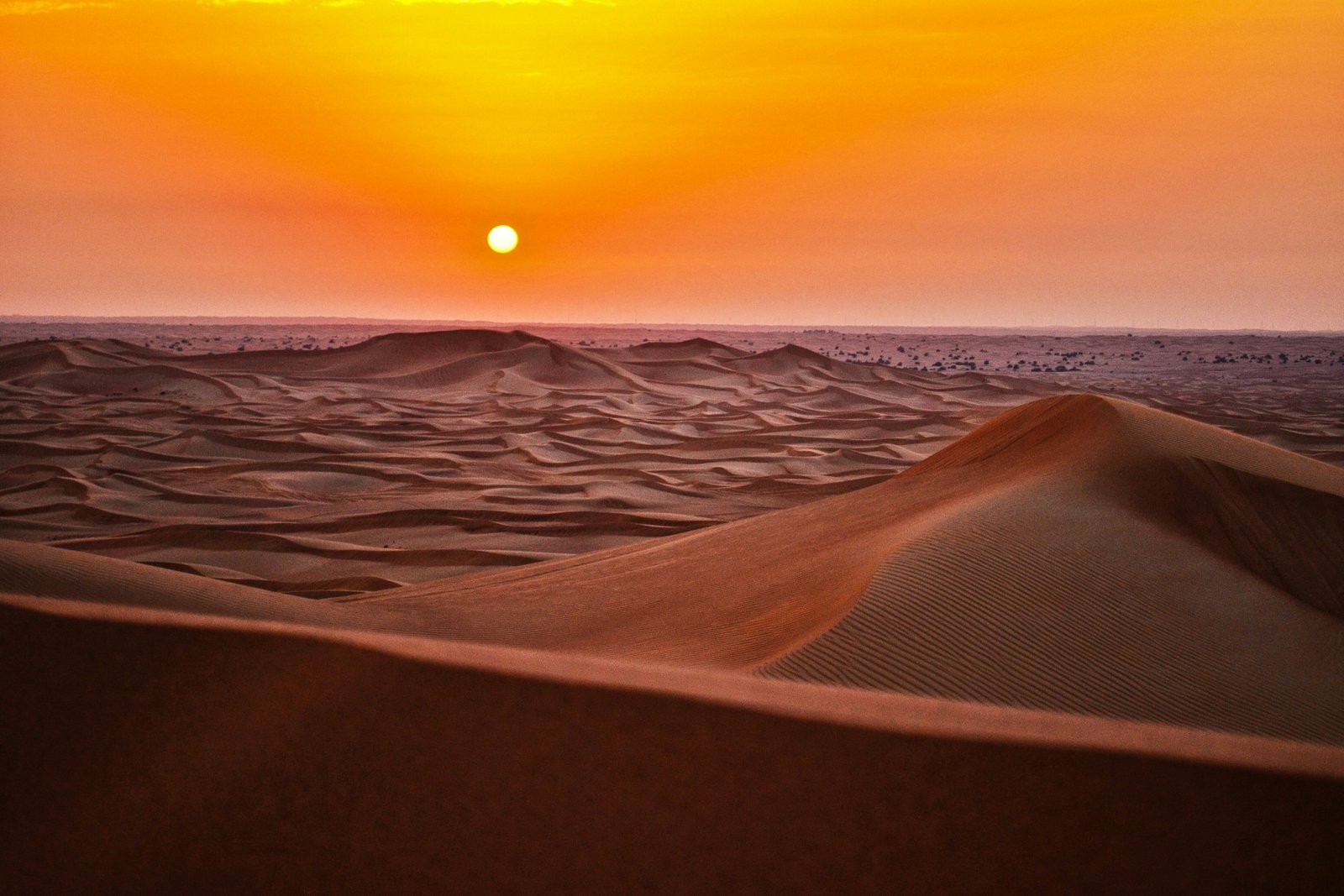
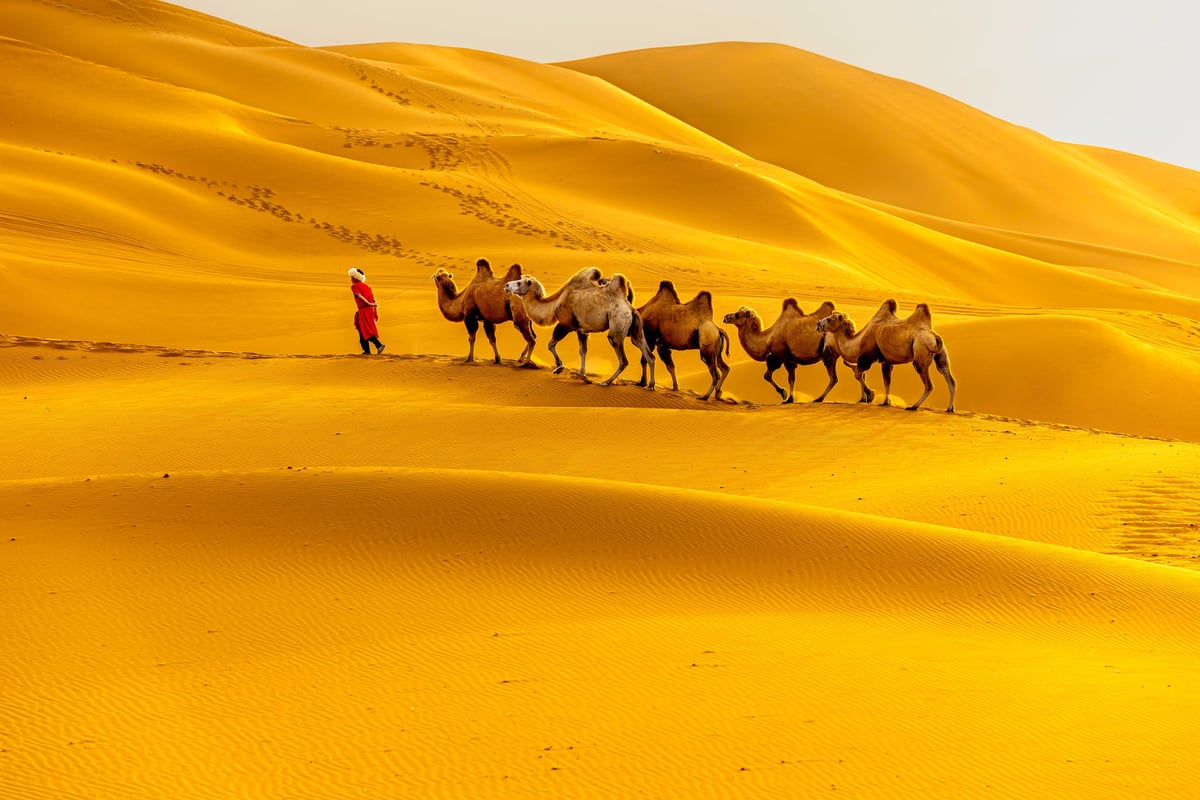
The classic arrival is by camel in the late afternoon, riding out from the desert's edge across the dunes as the light turns gold and the sand shifts through ochre and rose — a slow, silent, cinematic entrance to the camp. The camel ride is short and gentle, more atmosphere than adventure, and timed so you reach the dunes for sunset. Climbing a high dune to watch the sun sink over the endless sand is the first of the night's two unforgettable moments.
The camp and the evening
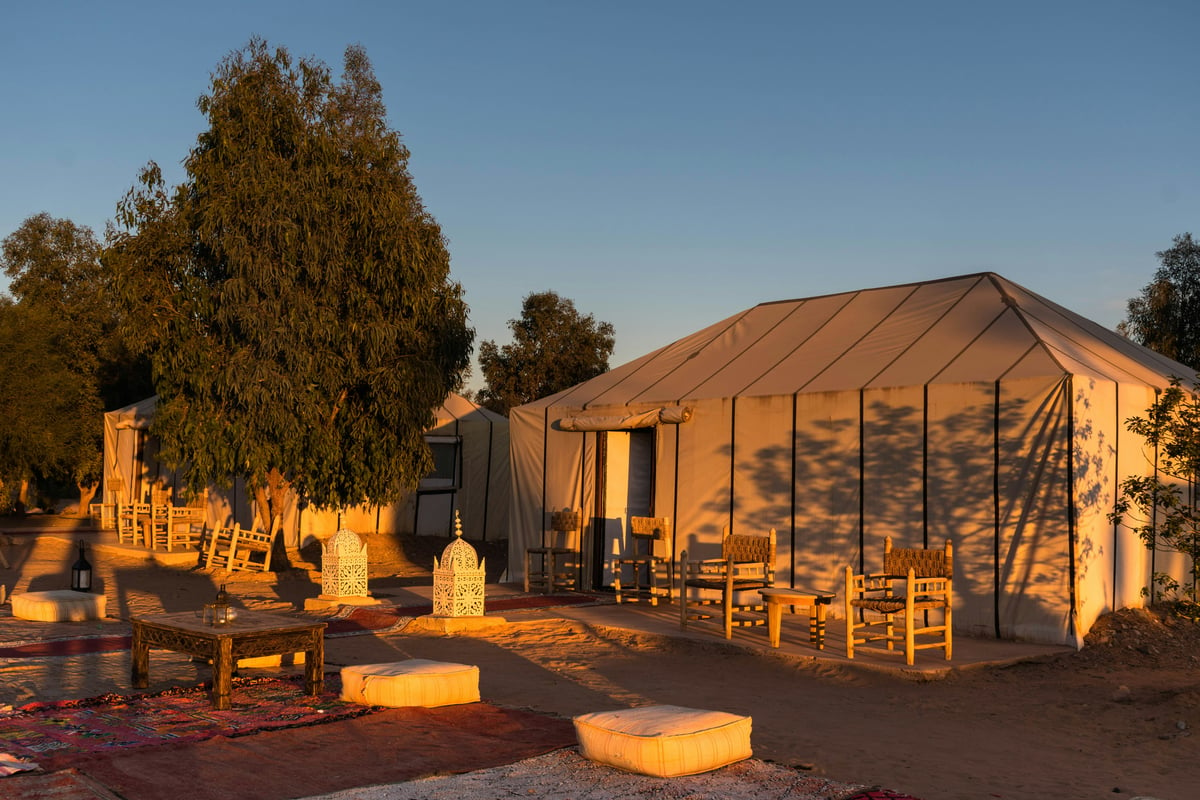
Desert camps range from basic to genuinely luxurious, but the shape of the evening is similar: a tagine dinner eaten communally, often music around a fire under the stars, and the deep quiet of the desert settling in as the temperature drops. It is a sociable, unhurried evening with fellow travelers and the camp's hosts, far from any screen or signal. The simplicity is the point — good food, firelight, and a sky most people have never truly seen.
The stars
With no light pollution for hundreds of miles, the Sahara's night sky is staggering: the Milky Way stretches clear overhead, and the stars are dense and bright in a way that stops conversation. Lying back on the cooling sand to take it in is, for many, the emotional peak of the whole trip. Bring warm layers so you can stay out under the stars comfortably rather than retreating to the tent, and let your eyes adjust fully to the dark.
The cold, and how to prepare
The desert is cold at night year-round and genuinely freezing on winter nights, despite the warm daytime sun, and this surprises unprepared travelers every time. Pack warm layers — a fleece and a jacket even in warmer months, serious warmth in winter — plus a hat and a scarf against the fine sand and the chill. The camps provide heavy blankets, but the evening under the stars is far more pleasant when you have dressed for the cold rather than shivering through it.
What to bring for the night
Beyond warm layers, a few things make the desert night far better: a headlamp or torch for moving around camp in the dark, a fully charged phone or camera (power is scarce, so top up beforehand), a scarf against the sand, and any personal water and medications. The camps provide bedding and meals, so you travel light, but these small items are the difference between a smooth night and a fumbling one. A power bank is especially worth its space here.
Choosing where to go
The desert experience varies by region: Merzouga, with the tall Erg Chebbi dunes, offers the classic towering-sand scenery and is reached via a longer drive, while Zagora is closer to Marrakech but has less dramatic dunes. Which you choose shapes the trip's length and the grandeur of the scenery, so it is worth deciding deliberately rather than taking the first tour offered. For the postcard dunes, Merzouga is the one, and worth the extra driving.
Sunrise, the second gift
Waking before dawn for the desert sunrise is worth the lost sleep: the dunes emerge cold and blue, then flush pink and gold as the sun rises over the sand in near-total silence, a quieter and more private moment than the crowded sunset. Climb a dune, sit still, and watch the desert wake. Then it is mint tea, breakfast, and the camel ride back — but the sunrise, seen by only your small camp, is the memory that tends to last longest of all.
The desert night is the emotional centerpiece that a well-planned trip is built to protect, and how it anchors the route — the days each side, the one-way run to Fez — is worked out in the complete Morocco trip guide.
A camel ride to the dunes at sunset, a communal tagine dinner with music around a fire, an astonishing star field, and a cold, quiet night before a spectacular sunrise.
Is it cold at night?
Yes — cool to cold year-round, freezing on winter nights despite warm days. Pack a fleece and jacket even in warmer months; serious warmth in winter.
How are the stars?
Staggering — no light pollution for hundreds of miles, the Milky Way clear overhead. For many it's the emotional peak of the whole trip.
Is the sunrise worth waking for?
Absolutely — quieter and more private than sunset, with the dunes flushing pink and gold in near-silence. Often the most lasting memory.
What's the camel ride like?
Short and gentle, more atmosphere than adventure, timed to reach the dunes for sunset. The experience, not an endurance test.