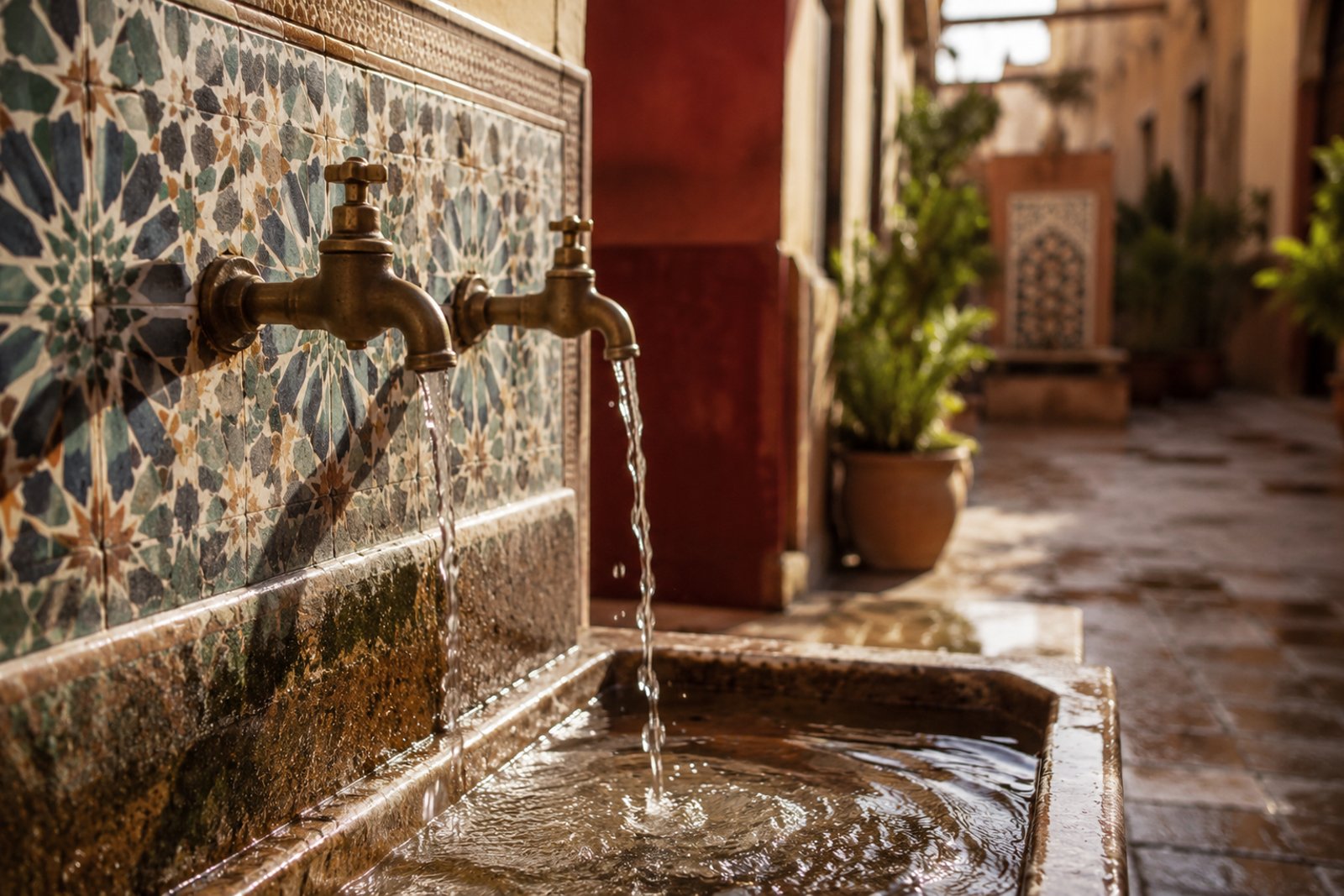
The practical answer on Moroccan tap water is simple: most visitors should stick to bottled or filtered water, not because the water is necessarily unsafe but because its different microbial content commonly upsets stomachs unused to it. A little care with water, ice and washed foods prevents the traveller's stomach trouble that can derail a few days. Here is what to drink, what to watch, and how to stay hydrated without a mountain of plastic.
The short answer
Stick to sealed bottled water or water you have filtered or purified yourself, particularly for the first part of your trip while your system adjusts. Tap water in cities is treated and locals drink it without issue, but visitors frequently react to the unfamiliar microbes even where the water meets local standards. The upset is usually mild and short, but it is exactly the kind of thing that costs you a sightseeing day, so caution early is worth it.
Ice, salads and the less obvious sources
Water reaches you in ways beyond the glass: ice made from tap water, raw salads and fruit rinsed in it, and toothbrushing are the common overlooked routes. At reputable hotels and tourist restaurants, ice and washed produce are generally fine; at basic street stalls, more caution helps. Peeling your own fruit, favouring cooked vegetables early on, and using bottled water to brush your teeth if you are being careful are simple habits that remove the hidden exposures.
Bottled water, done sensibly
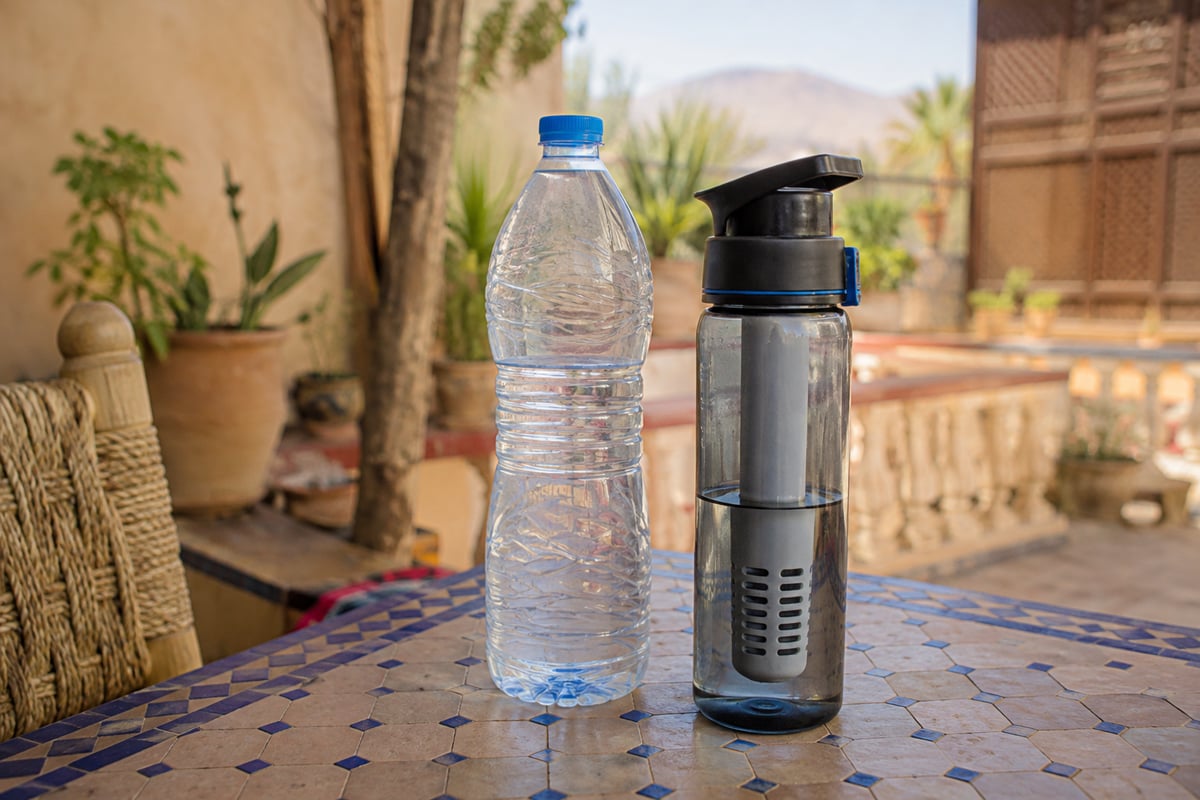
Bottled water is cheap and universally available, so keep a supply in your room and carry one when out, checking the seal is intact when you buy. It is the easy default, and the small cost is trivial against a ruined day. Just be conscious that relying entirely on single-use bottles generates a lot of plastic over a trip, which is where a reusable solution earns its place.
Cutting the plastic
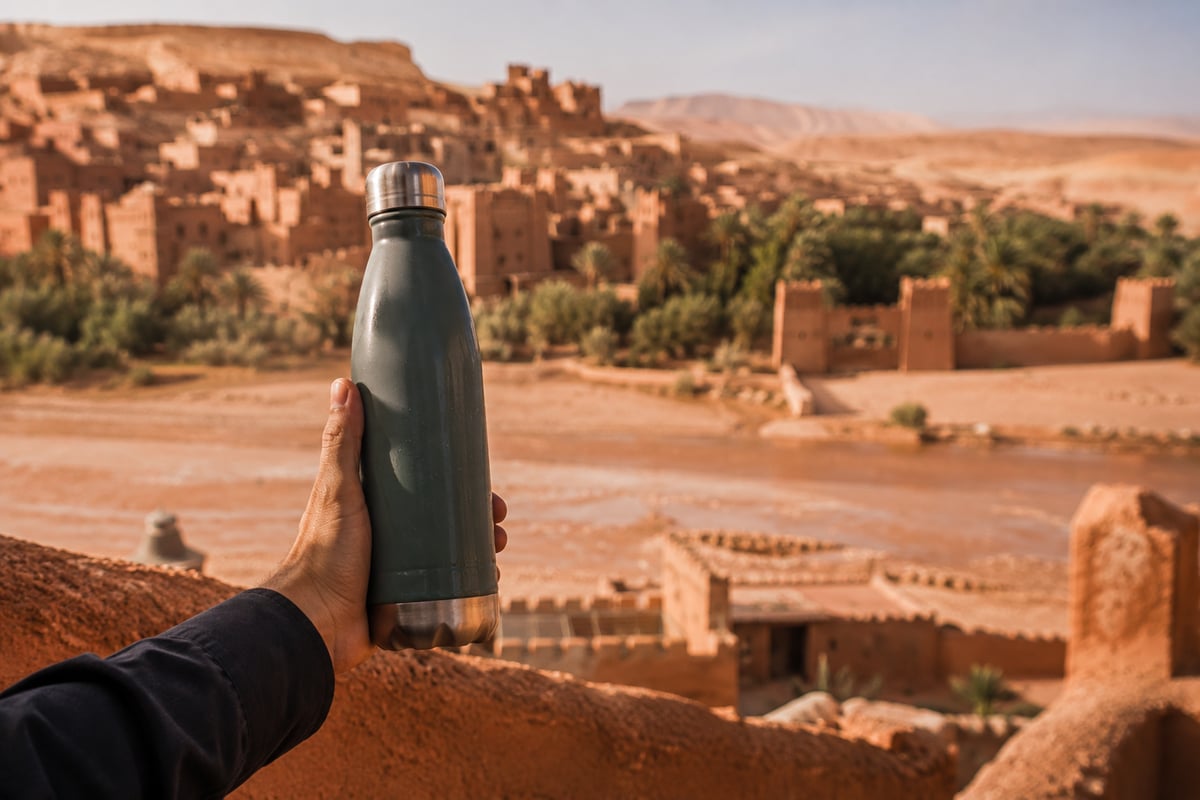
A reusable bottle with a built-in purifying filter, or purification tablets, lets you treat tap water and drink safely while cutting the plastic waste dramatically — a good investment for a longer trip or for the desert and mountains, where bottled supply thins out. For travellers who care about the environmental cost, this is the responsible middle path: safe water without the daily pile of empty bottles. Bring it from home, as such filters are hard to buy locally.
Staying hydrated in the heat
Morocco gets genuinely hot, especially in summer and the desert, so hydration is a real health matter, not just comfort — carry more water than you think you need and drink steadily through the day. Mint tea and soft drinks do not replace water in the heat. Heat and dehydration cause more trouble for visitors than the water itself, so the discipline of drinking enough safe water is the actual priority. Pair it with sun protection and shade in the fierce hours.
Water in the desert and mountains
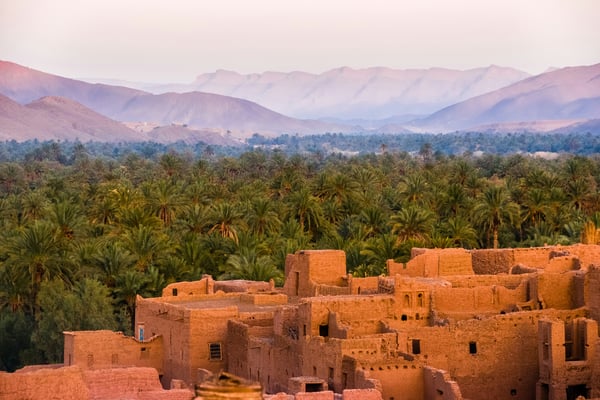
Away from the cities, in the desert and the High Atlas, bottled water supply thins and the heat intensifies, so carry more than you expect to need and top up whenever you can — a desert camp or a mountain village may have limited stock. This is exactly where a purifying filter bottle proves its worth, letting you treat whatever water is available. Running low on water in the remote heat is a genuine risk, so err generously on how much you carry into the empty stretches.
If your stomach does turn
Should you get a mild stomach upset anyway, it usually passes in a day or two with rest, bland food and — importantly — plenty of safe fluids and rehydration salts to replace what you lose. Carry rehydration sachets and a basic anti-diarrhoeal from home for the worst of it. Persistent or severe symptoms warrant a pharmacy or doctor, both easily found in the cities, but the ordinary traveller's upset resolves on its own with sensible care.