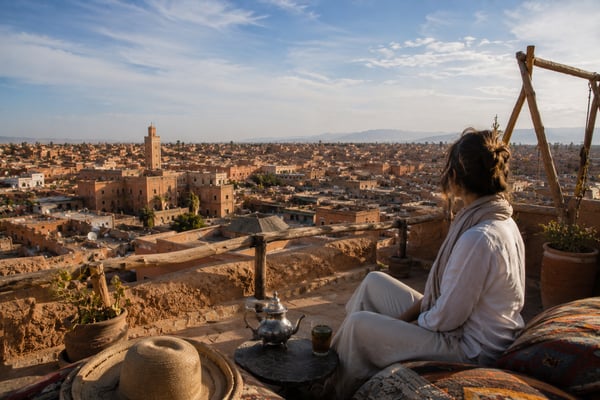
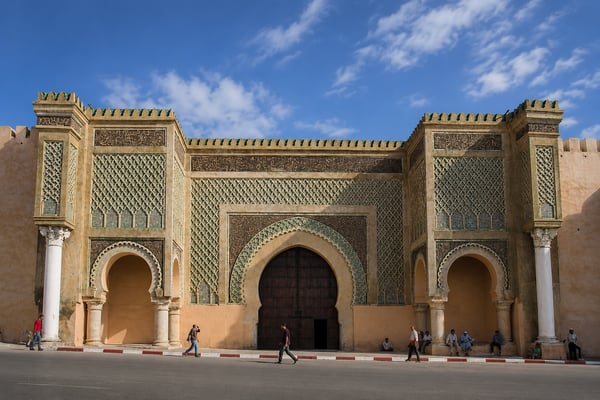
An hour from Marrakech, the High Atlas offers Berber villages, Toubkal treks and valley escapes. What fits a day, what needs longer, and how to reach it.
The High Atlas rises barely an hour from Marrakech, which makes it the easiest escape from the city's heat and bustle and one of the most rewarding parts of a Morocco trip. It works as a half-day outing, a full day, or a multi-day base, depending on how much time you can give it, and the choice shapes what you see — from a valley lunch to a Toubkal summit. Here is what each version offers.
What fits a day trip
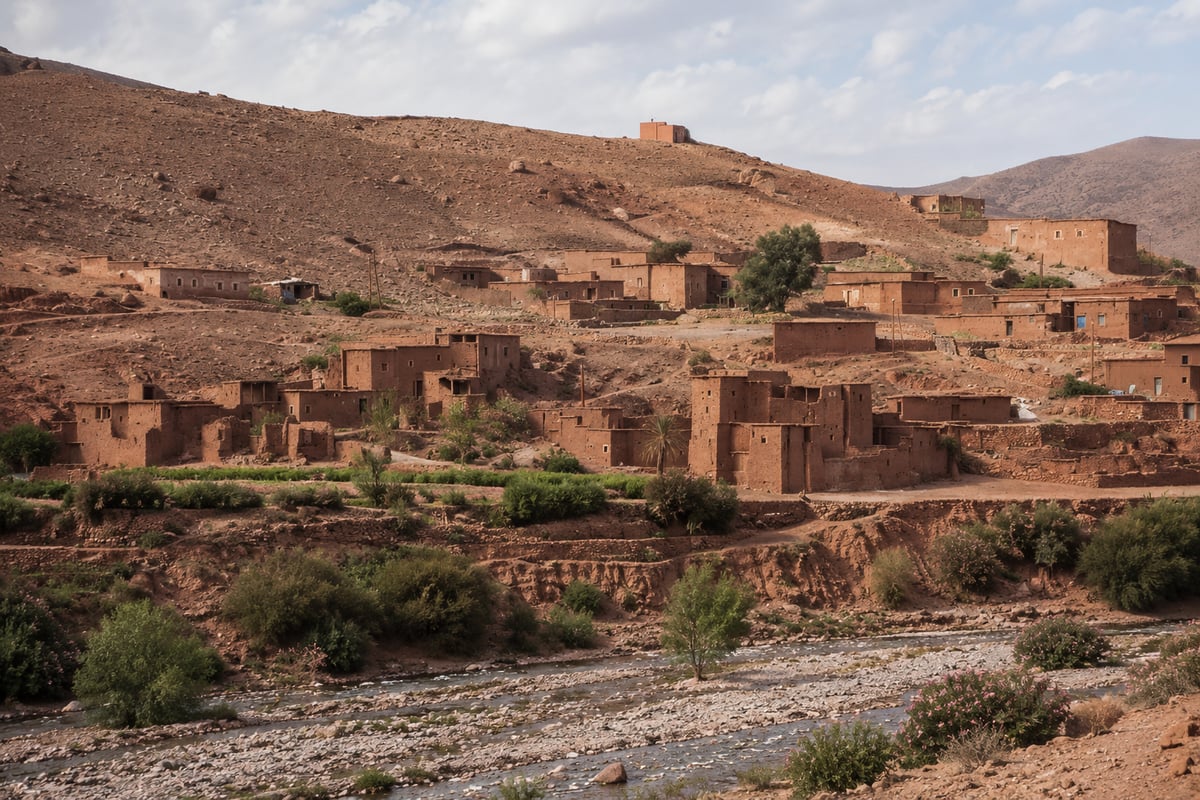
A day trip from Marrakech comfortably reaches the Ourika Valley, the village of Imlil at the foot of Toubkal, or the Berber villages and waterfalls of the foothills, all within easy driving distance. These outings trade the desert's drama for green valleys, running water and mountain air, and they are the perfect antidote to a few hot days in the medina. A driver or organised tour handles the winding roads and leaves you free to walk and look.
Ourika and Imlil
The Ourika Valley is the classic easy day trip — a river, waterfalls, and roadside cafes an hour from the city — while Imlil is the gateway village for Toubkal and a lovely destination in its own right for a valley walk and lunch. Either gives you a genuine taste of the mountains without an overnight, and both pair naturally with a Marrakech-based trip that wants one day of altitude and green.
What needs longer
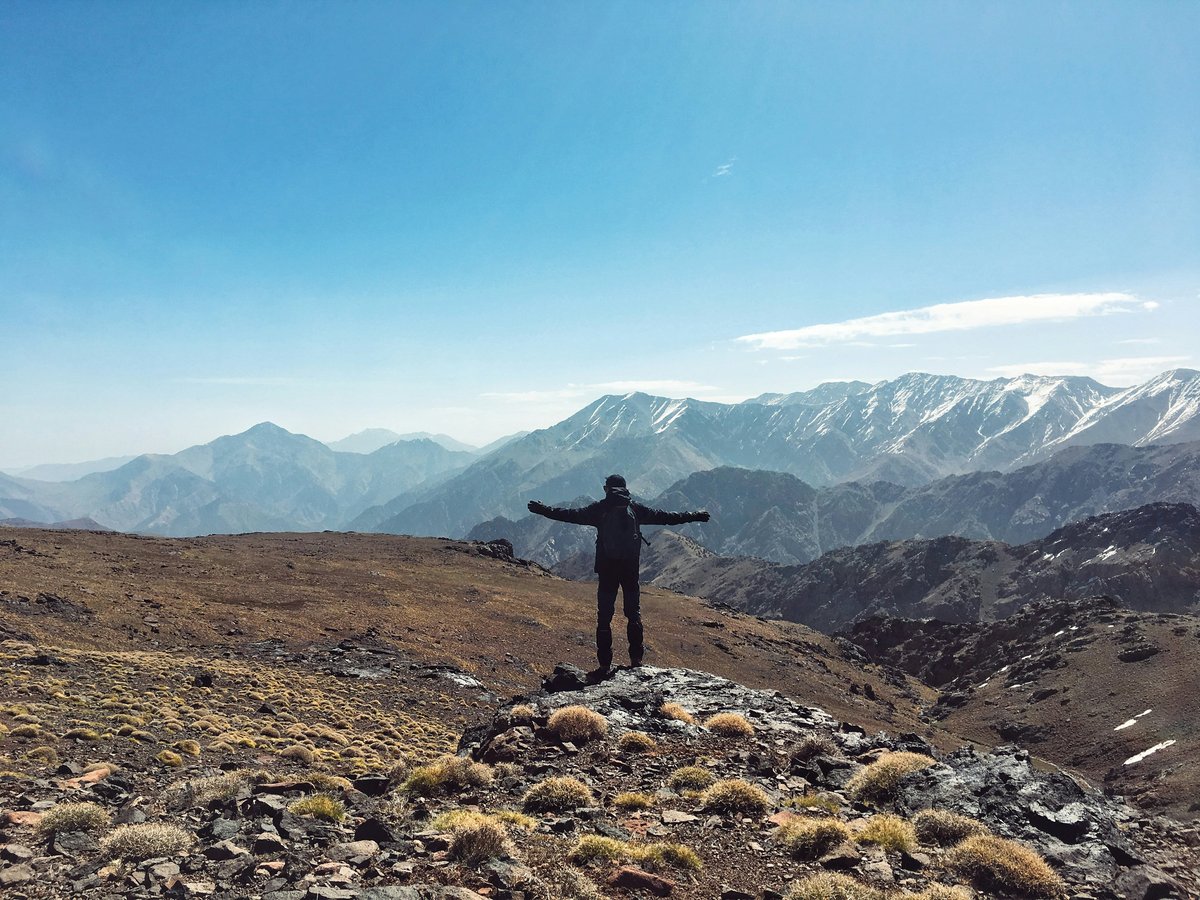
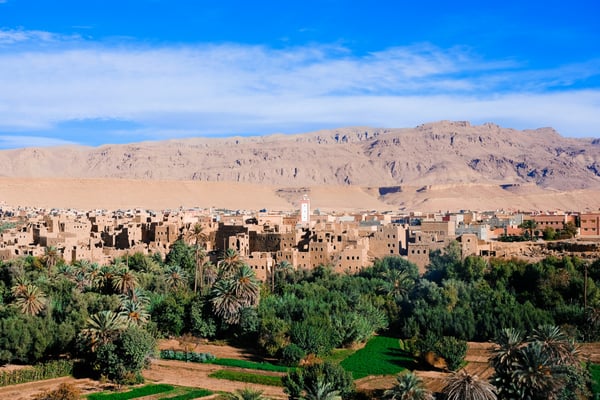
Serious walking and the real high country need more than a day: trekking Mount Toubkal, North Africa's highest peak, is typically a two-day guided climb from Imlil, and multi-day village-to-village treks reward those who want to go deeper. Staying a night or two in a mountain guesthouse or a valley kasbah turns the Atlas from a glimpse into an experience, and the pace up here is the point rather than a limitation.
How to reach it
The mountains are reached by road from Marrakech, and most first-timers go with a driver or on an organised tour rather than self-driving the steep, winding routes. A hired car with a driver is flexible and affordable for a day, while trekking trips include transfers to the trailhead. The roads are scenic but demanding, which is exactly why handing the wheel to someone who knows them is the common and sensible choice.
What to wear and bring
The mountains run cooler than Marrakech year-round and cold at altitude, so a warm layer belongs in the daypack even on a summer day trip, along with sturdy shoes for uneven ground, sun protection, and water. Weather shifts quickly at height, and a valley that is warm at midday chills fast in shade or late afternoon. Packing for a range of conditions turns a day trip from uncomfortable into easy.
Combining the Atlas with the desert
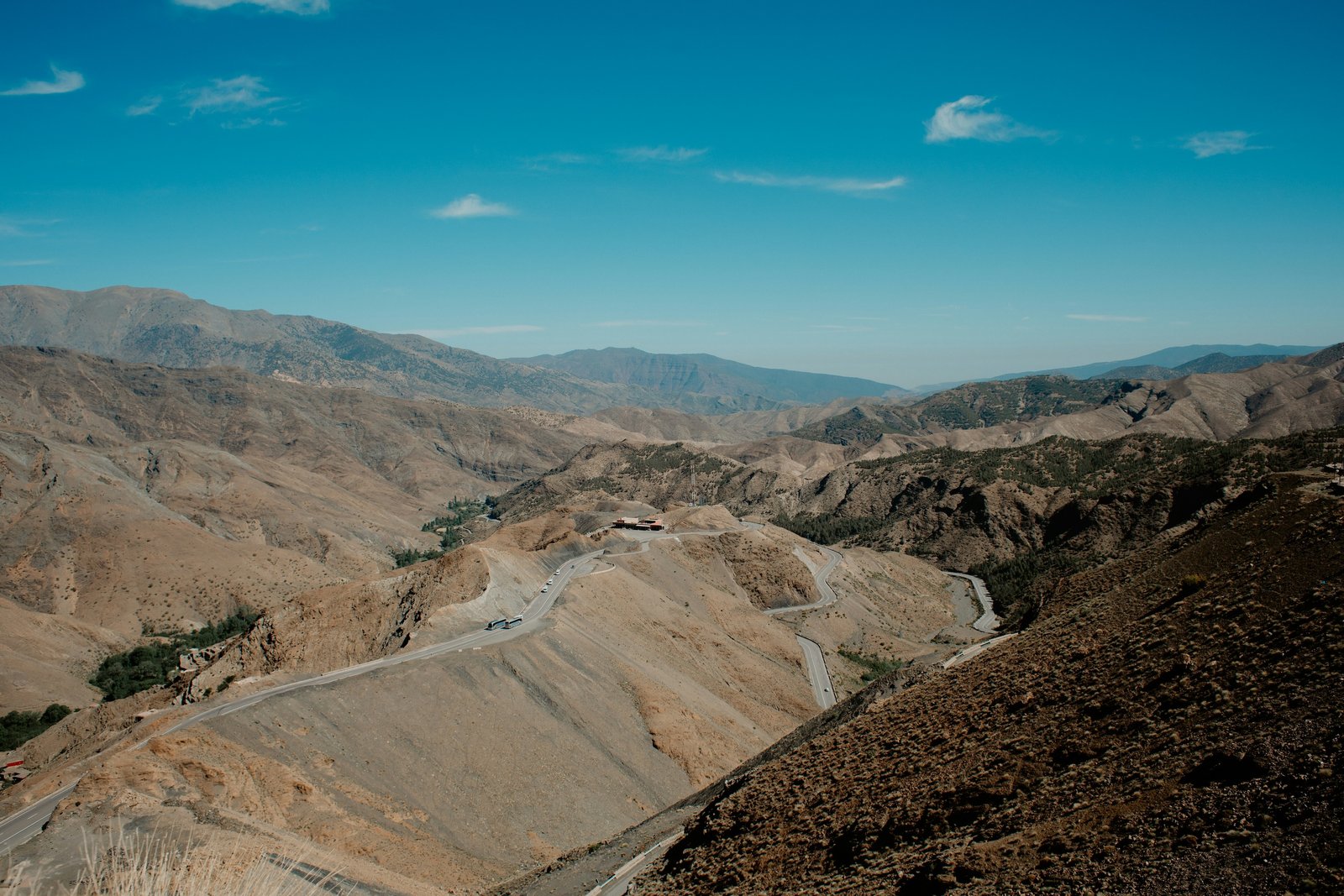
Many Sahara tours from Marrakech cross the High Atlas on the way south, over the dramatic Tizi n'Tichka pass, so a desert trip already gives you a taste of the mountains in transit. If the Atlas is a headline reason you came, though, a dedicated day or overnight rewards it far better than the drive-through glimpse. Deciding which you want shapes how you build the southern part of the trip.
When to go
Timing matters more in the mountains than in the cities: spring and autumn are ideal, summer offers cool relief from the lowland heat, and winter brings snow to the high passes and peaks, with Toubkal becoming a technical winter climb. A valley day trip works most of the year; a serious trek should be matched to the season and, for the high routes in winter, to proper mountain conditions.
Fitting the Atlas into a trip — a day from Marrakech, or a longer base — is a sequencing choice that trades against the desert and the cities for your limited days. How those pieces balance is worked out in the complete Morocco trip guide.