Two days is enough to see Marrakech properly without rushing. A morning-by-morning plan that balances the monuments, the souks, and the square at dusk.
Two full days is the sweet spot for a first visit to Marrakech: enough to see the essential monuments, get pleasantly lost in the souks, and experience Jemaa el-Fnaa at dusk, without the rush that a single day forces. The trick is to front-load the ticketed sights in the cooler mornings and leave the afternoons for wandering and the evenings for the square. Here is a plan that balances the city's very different pleasures.
Day one: monuments and the square
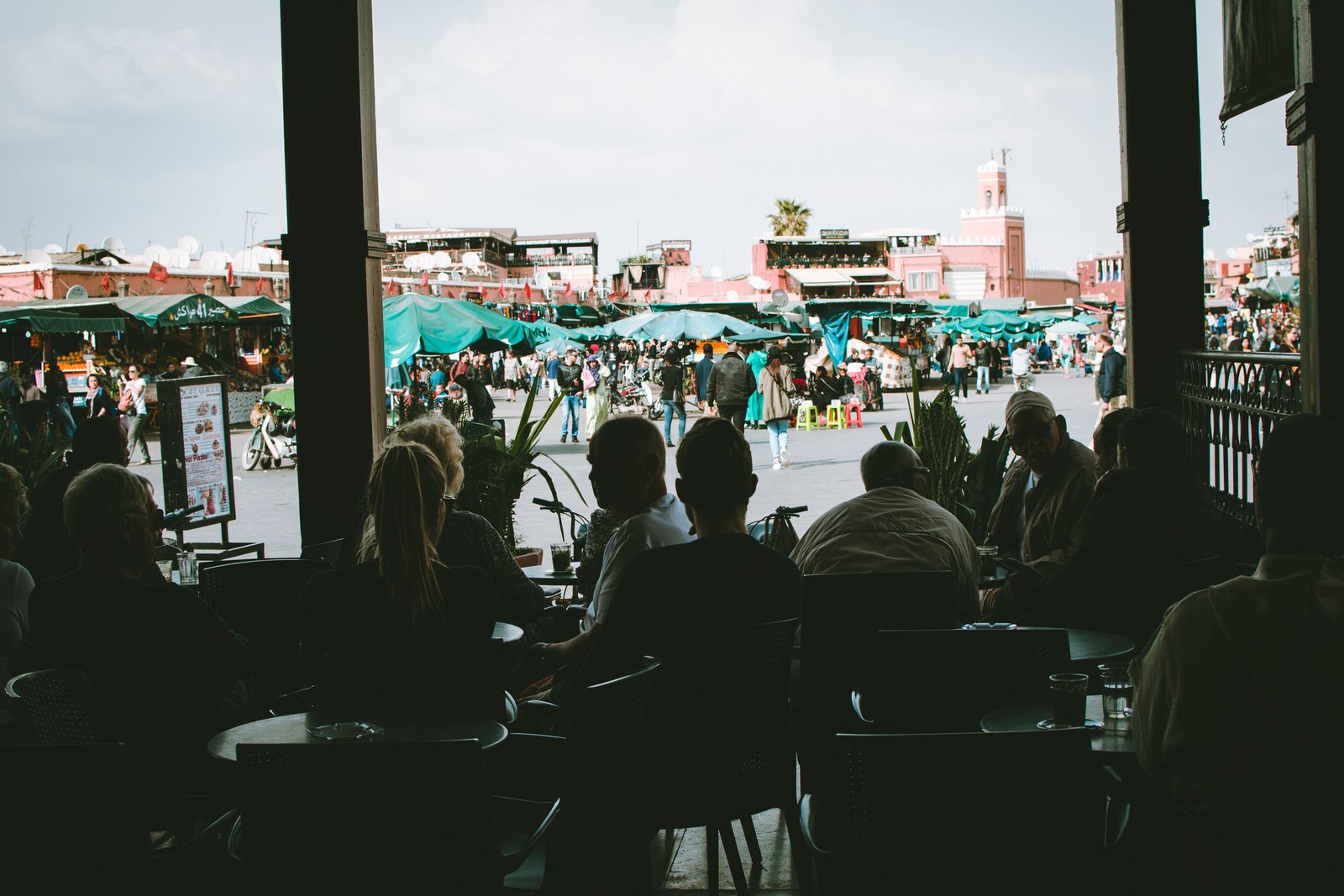
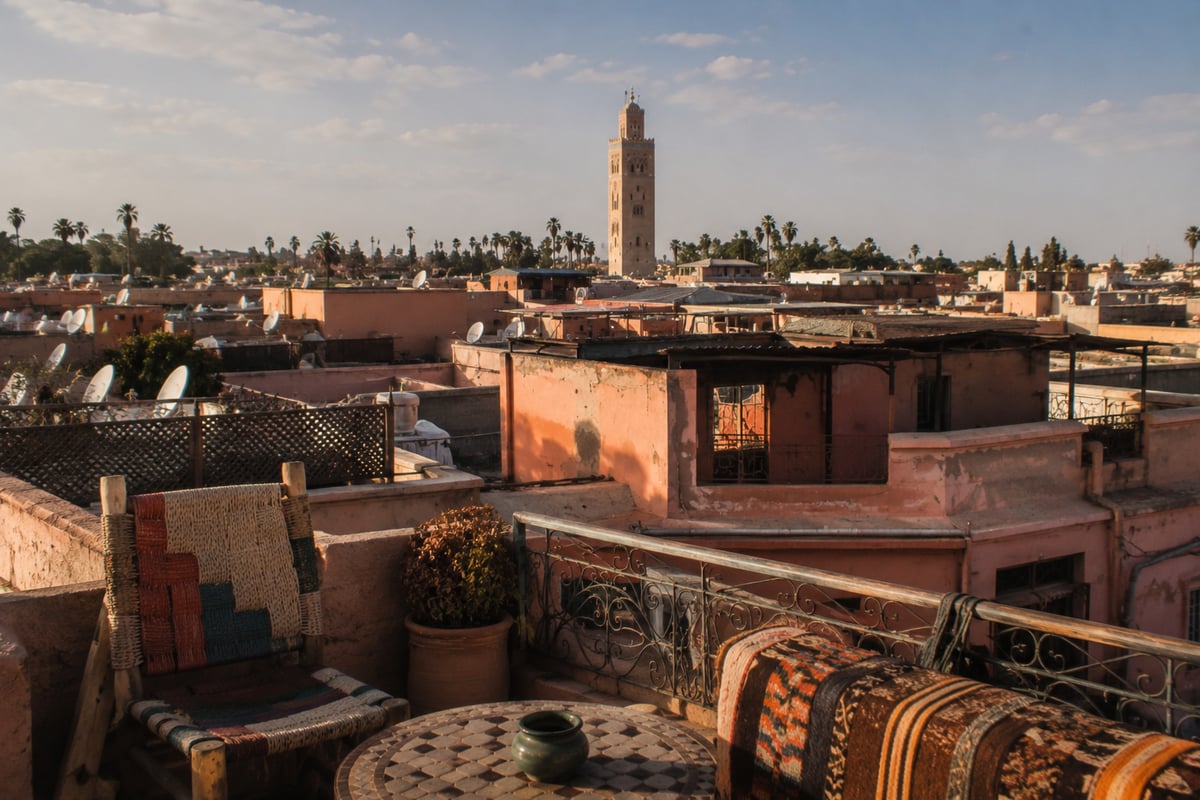
Start early in the southern medina while it is cool: the Saadian Tombs before the crowds, then the Bahia Palace for a proper hour, passing the Koutoubia minaret and its gardens. Break for a long lunch out of the midday heat, then spend the afternoon easing into the souks nearest Jemaa el-Fnaa. As the sun lowers, take a rooftop cafe on the square for the panoramic view, then descend into the food stalls and performers as the carnival assembles.
Why this order works
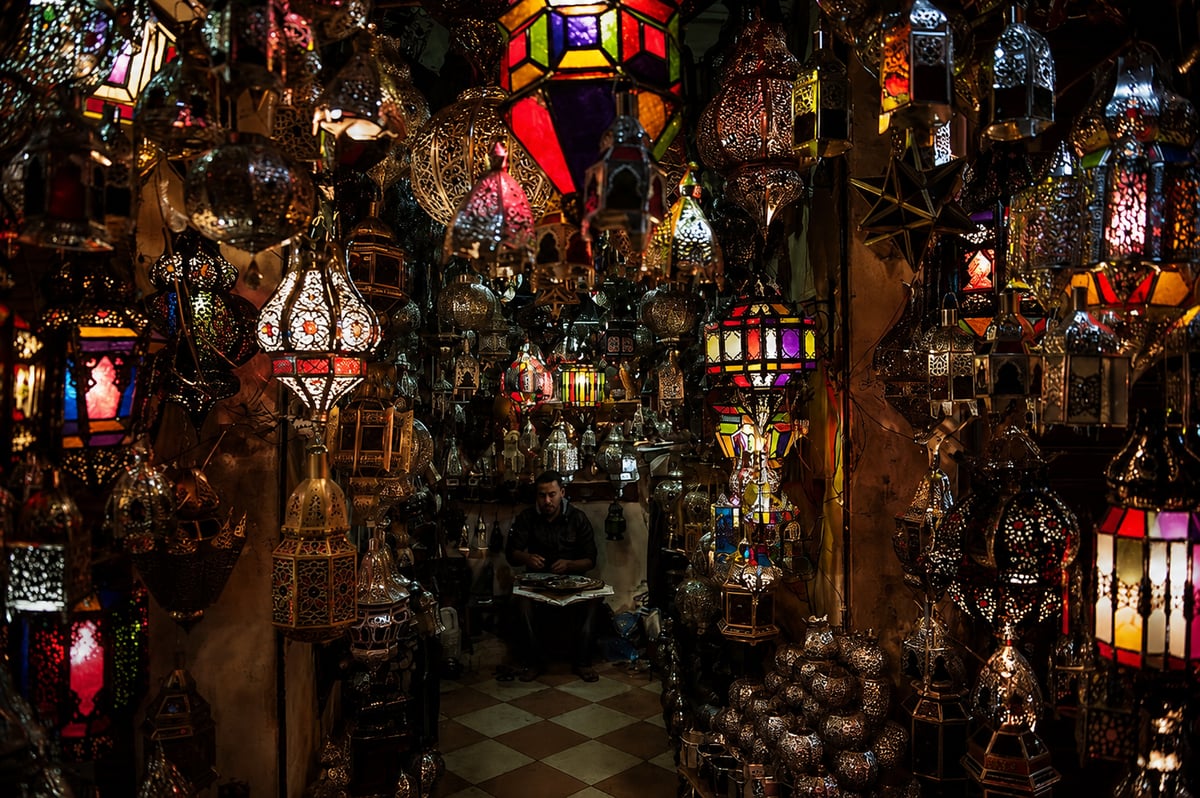
The ticketed monuments demand energy and cool air, so they belong in the morning; the souks reward aimless afternoon wandering; and the square only becomes itself at dusk. Sequencing the day this way means you are never fighting the heat or the crowds at the wrong moment, and you end on the city's highest note. It is the rhythm most experienced visitors settle into without planning it.
Day two: gardens, souks and craft
Begin with an early, pre-booked slot at the Majorelle Garden in Gueliz before the tour groups arrive, and consider the Ben Youssef Madrasa on the way back for its extraordinary courtyard. Spend the late morning in modern Gueliz — cafes, the fixed-price Ensemble Artisanal to benchmark craft prices — then return to the medina for a deeper afternoon in the souks, now that you know the fair-price ranges. A hammam in the late afternoon is the ideal way to unwind before a final dinner.
Leave room to get lost
The single best thing you can do with a second day in Marrakech is leave slack in it: the medina rewards unplanned wandering more than any checklist, and the moments travellers remember are rarely the ticketed ones. Build the plan loosely enough that a tempting lane or a long mint tea can derail it. Two days done at a human pace beats three days done frantically.
Adjusting for the seasons
The plan flexes with the weather: in the hot months, push the outdoor sightseeing earlier and reserve the fierce midday for shaded lunches, a hammam or an air-conditioned museum, while in the cooler months you can range more freely through the day. The dusk visit to Jemaa el-Fnaa holds year-round, since the square comes alive in the evening regardless. Reading the season into the rhythm keeps two days comfortable whenever you come.
Families and slower travellers
For families or anyone preferring a gentle pace, thin the plan rather than cram it: one monument a morning, longer breaks, and more square-and-souk time, which children often enjoy most. Two days at half the density still covers the essentials if you let go of seeing every ticketed site. The city rewards presence more than completion, and a relaxed two days beats an exhausting checklist every time.
If you have a third day
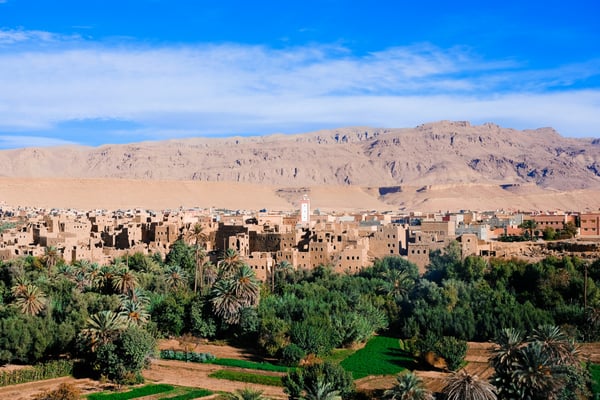
A third day opens up the surroundings: a day trip to the Atlas foothills for green valleys and mountain air, or a longer run to Essaouira on the coast, both easy from Marrakech. Alternatively, use it simply to slow down — a cooking class, a leisurely souk shop with the fair prices now familiar, another hammam. The city rewards depth as much as breadth, so a third day need not mean more sights.
How Marrakech's two days fit against the desert, the coast and the second city is the sequencing question a whole trip turns on. The reasoning behind the order, and what a first loop should look like, is worked out in the complete Morocco trip guide.