Petit and Grand Taxi Fares in Morocco: What's Actually Fair
Petit taxis are metered, grand taxis are shared and fixed by route. Knowing which is which — and that the meter is the whole negotiation — is what stops you overpaying.
Taxi fares in Morocco confuse first-timers because there are two completely different systems wearing the same word, and the fair price works differently for each. A petit taxi runs on a meter within a city; a grand taxi runs a fixed shared route between towns. Almost every overpayment story comes from not knowing which one you are in and what its fair price is supposed to be.
Petit taxis: the meter is the fare
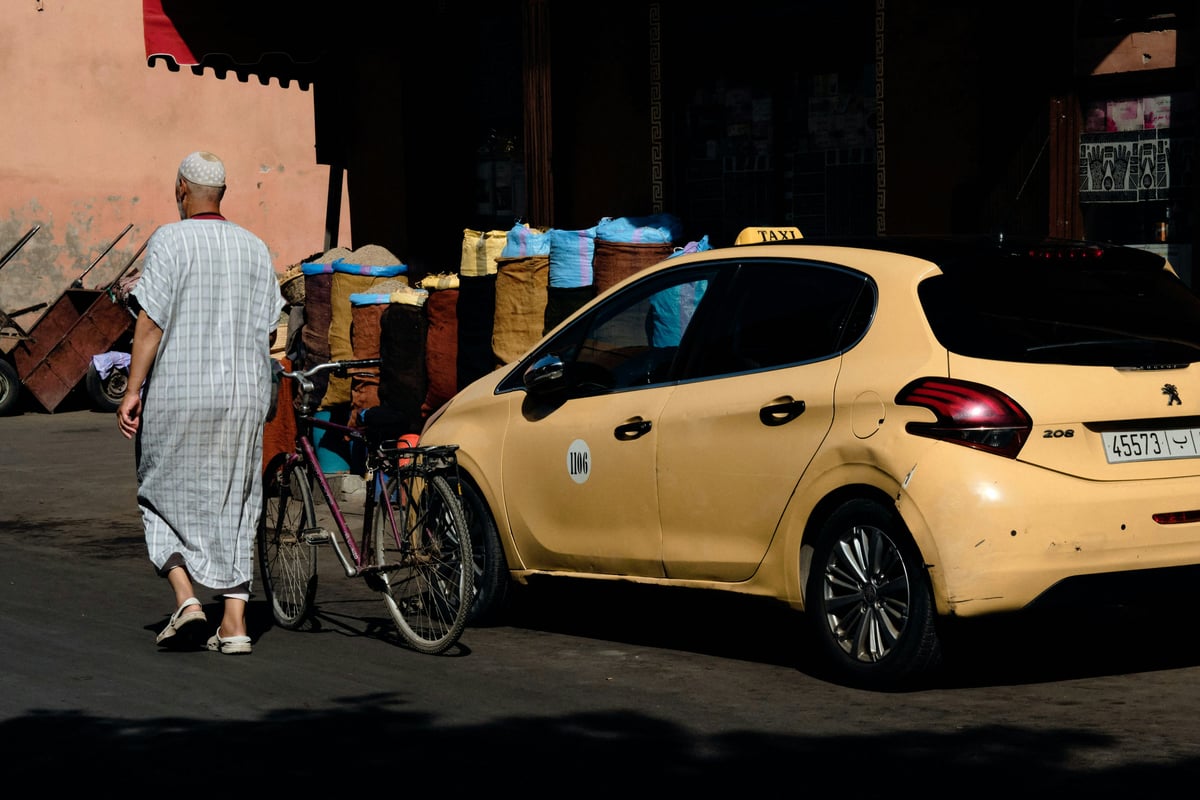
Petit taxis are the small, colour-coded cars that work strictly within a single city, they are metered by law, and the meter is the fair price — full stop. Insist on it being switched on before you set off, and if the driver claims it is broken, that is the start of a negotiation rather than a mechanical fact. There is always another taxi, so declining and waving down the next one costs you a minute and saves the argument.
The night surcharge and passenger limit
A legitimate higher rate applies at night, typically kicking in during the late evening, and it is a genuine official surcharge rather than a trick. Petit taxis also carry up to three passengers and cannot leave the city limits, so a driver refusing a fourth person or an out-of-town trip is following the rules, not being difficult. Knowing this keeps you from mistaking a real limit for an attempt.
When to agree a fare instead
Agreeing a fixed fare before the doors close is a legitimate alternative to the meter, and it is the sensible move in exactly two situations: at the airport, where meters are often "unavailable", and late at night when you have little leverage. The rule is to settle the number before you get in, never at the destination, and to have a rough sense of the going rate first so the figure means something.
Grand taxis: shared and route-priced
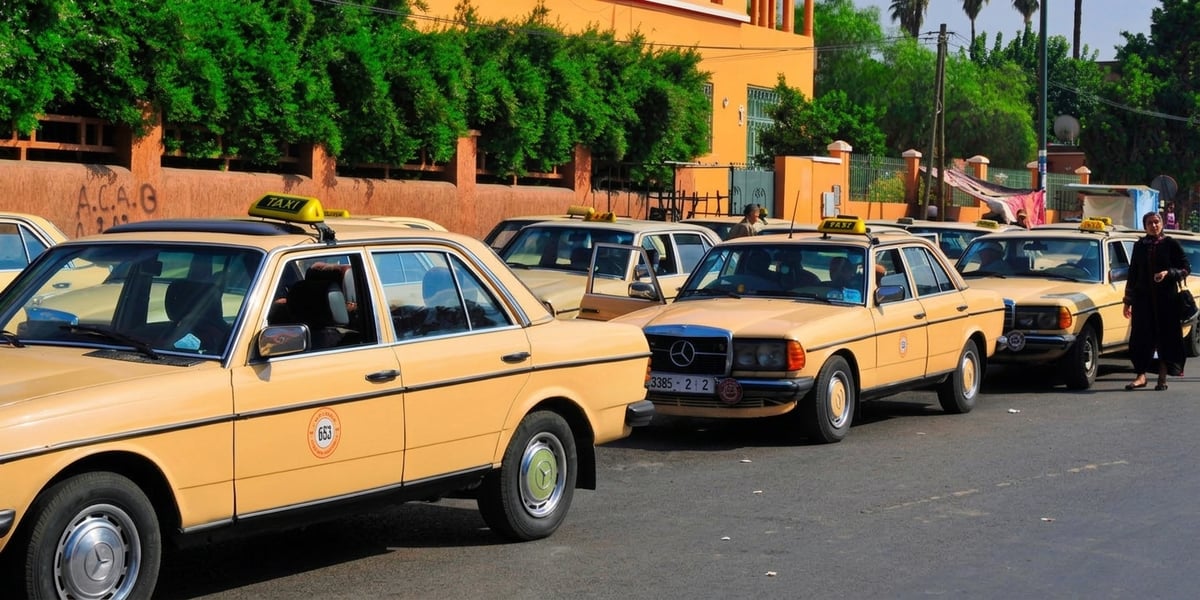
Grand taxis are the older, larger shared sedans — often Mercedes — that run fixed intercity routes and leave when full, usually with six passengers. The fair price here is a per-seat fare set by the route, not a meter and not really a negotiation, and locals pay a known rate for each leg. As a visitor, the honest move is to ask what a single seat costs and pay that, rather than being quoted a private-hire price by default.
Buying the whole car
You can charter an entire grand taxi rather than wait for it to fill, which buys you a private, immediate departure at roughly six times the single-seat fare. This is a real and often worthwhile option for a family or a group in a hurry, and it is not a scam — it is simply the private version of the same ride. The trap is being charged the whole-car price while sharing the car with strangers.
Ride-hail apps in the big cities
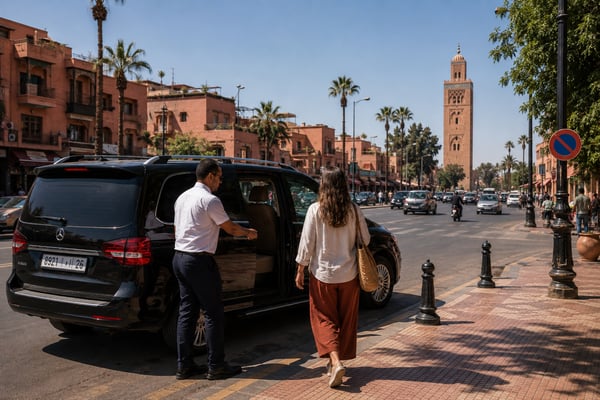
Ride-hail apps — Careem, Heetch and inDrive among them — operate in some of the larger Moroccan cities, and they neatly sidestep the meter argument by fixing the fare in the app before you get in. Coverage is uneven and thinner outside the biggest centres, so they are a useful tool rather than a universal solution. Where they work, they remove the negotiation entirely, which many first-timers find worth the slightly narrower availability.
When the app beats the street
An app fare is most valuable exactly where the street fare is least predictable: late at night, from the airport where meters go "missing", and any time your language or your bearings are shaky. The price is set, recorded and paid without a conversation. Keep it as a fallback in your pocket even if you mostly flag taxis on the street, because it turns a stressful moment into a tap.
What "fair" looks like in practice
Across both systems the principle is the same: the fair price is a known quantity you can establish before you commit, whether that is a running meter, a posted night surcharge, or a per-seat route fare. The overpayment happens in the gap of not knowing, which is why a moment of preparation — asking your riad what a given ride should cost — is worth more than any haggling skill at the door.
A taxi fare is a small instance of a habit that runs through the whole trip: the first number is an opening position, and knowing the real one beforehand is what closes the gap. How that plays out across taxis, souks and arrivals is worked through in the complete Morocco trip guide.